
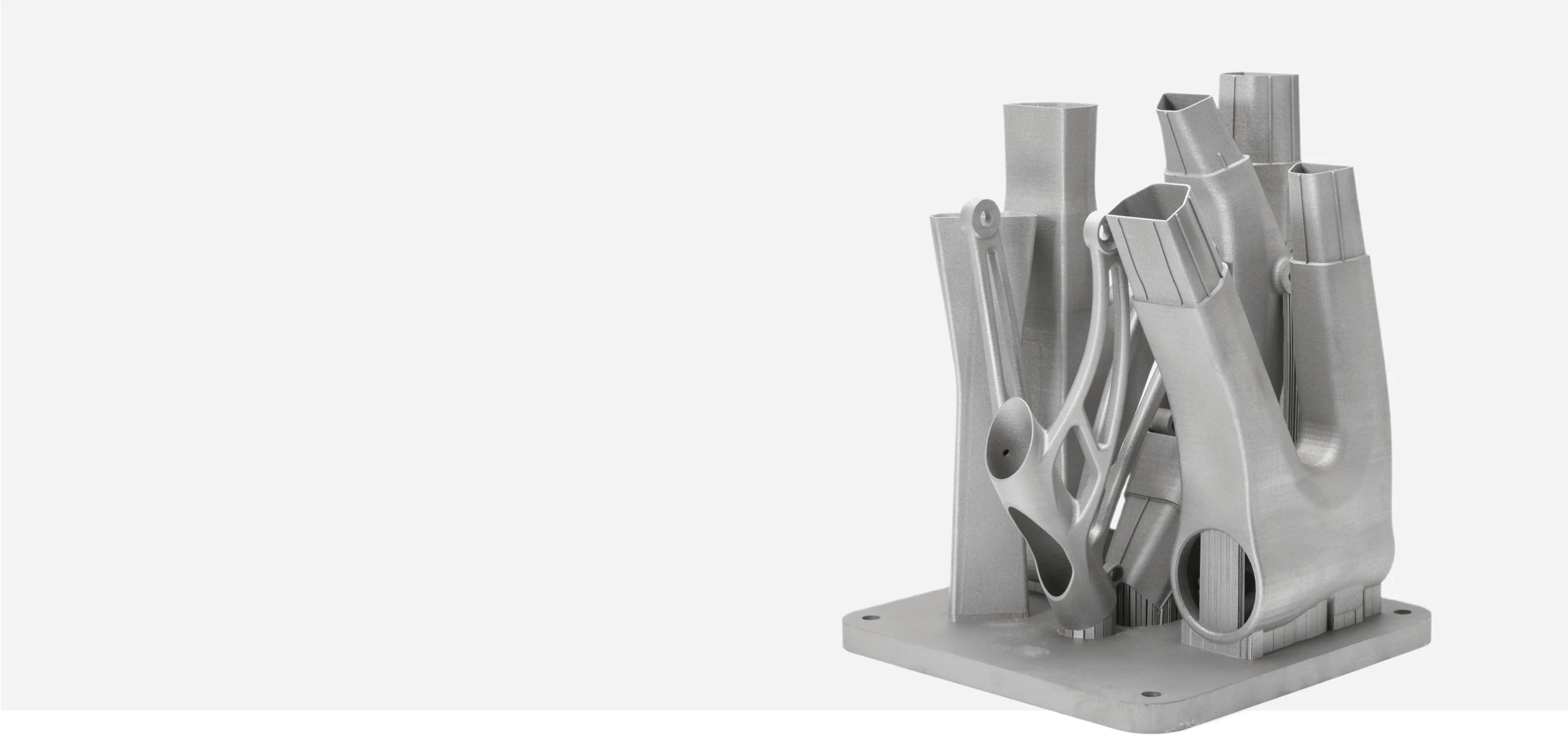





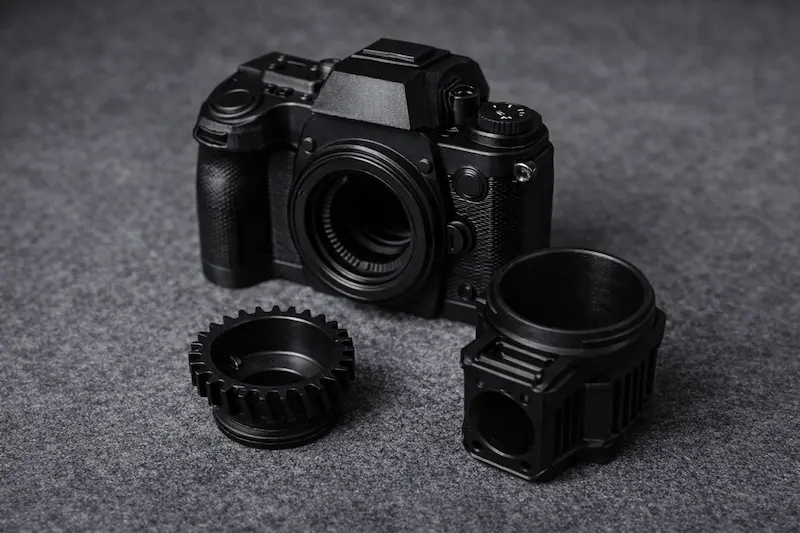
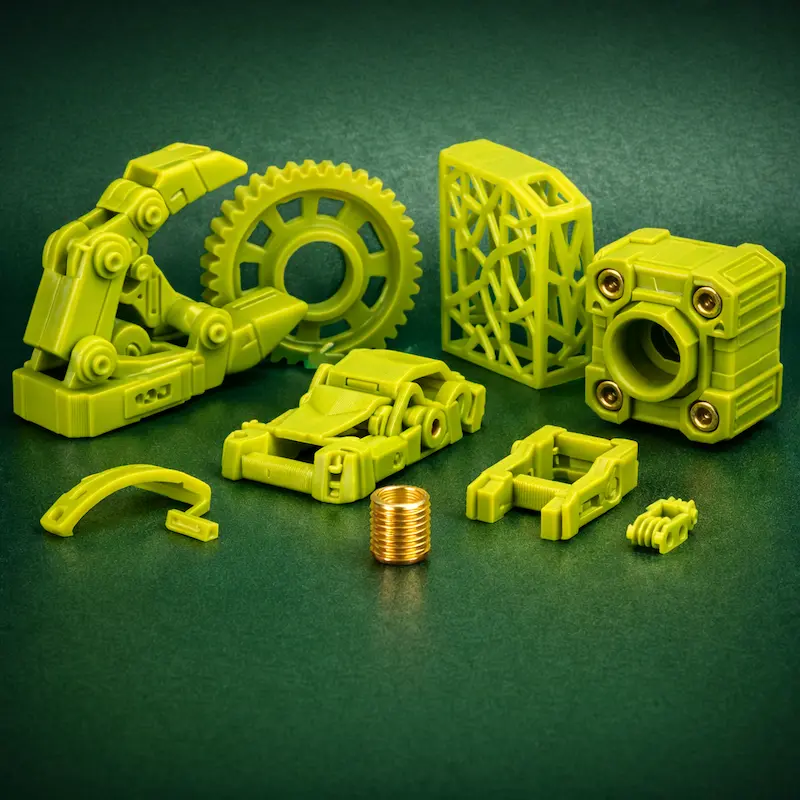
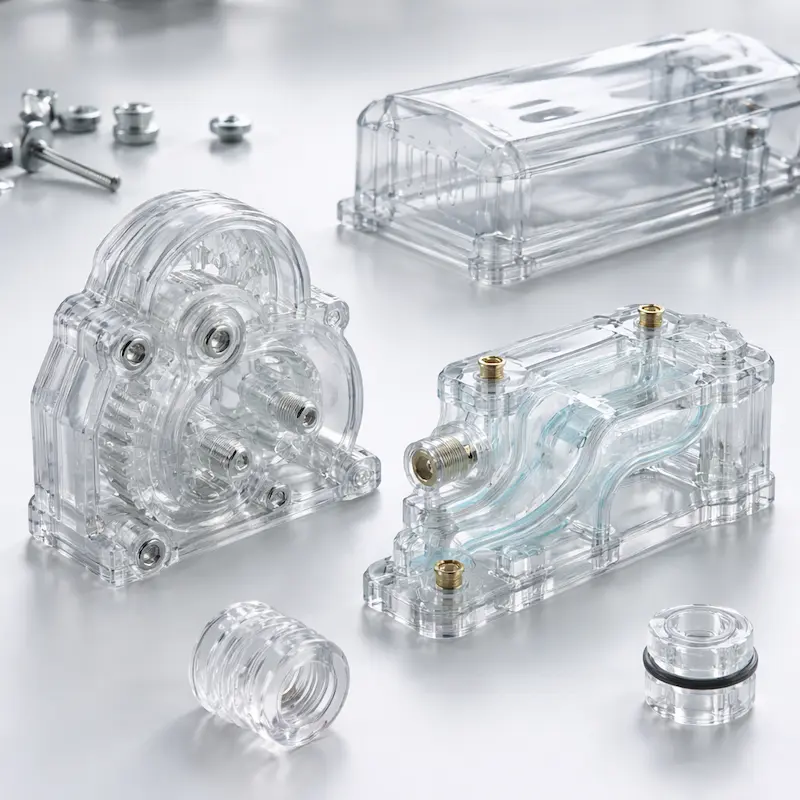
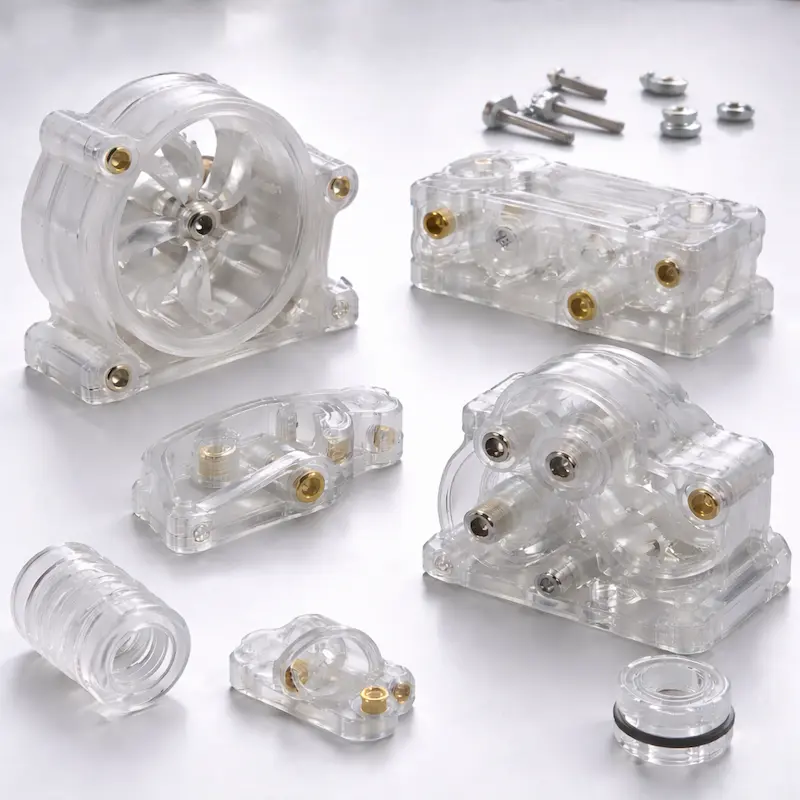
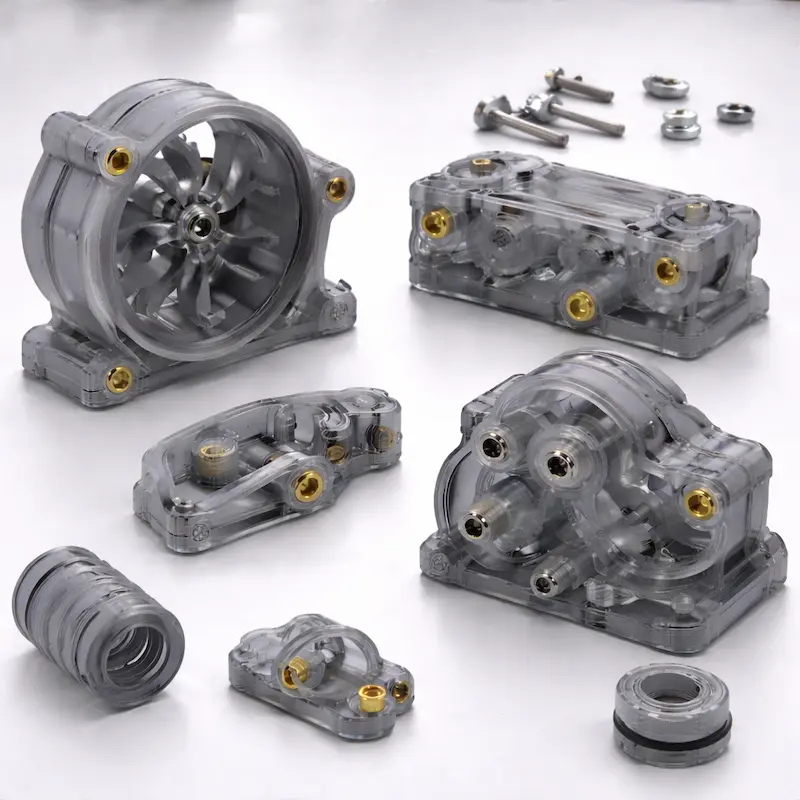
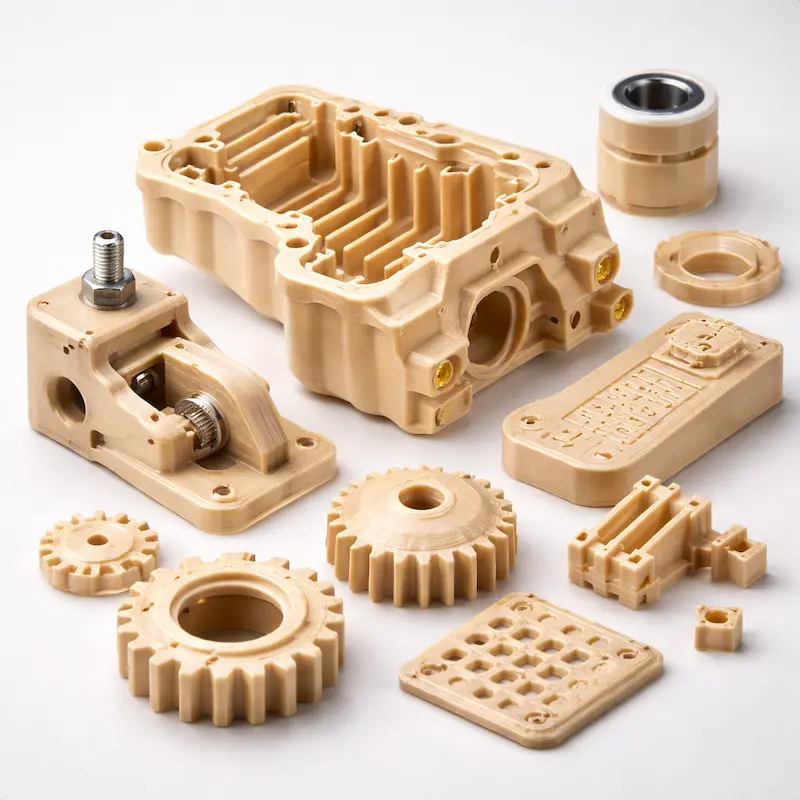
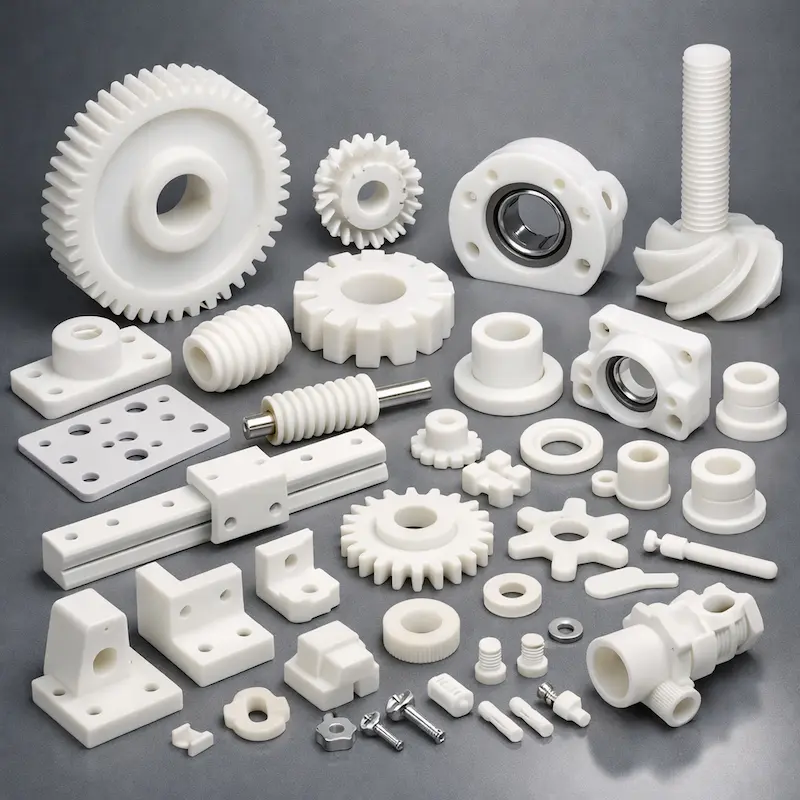
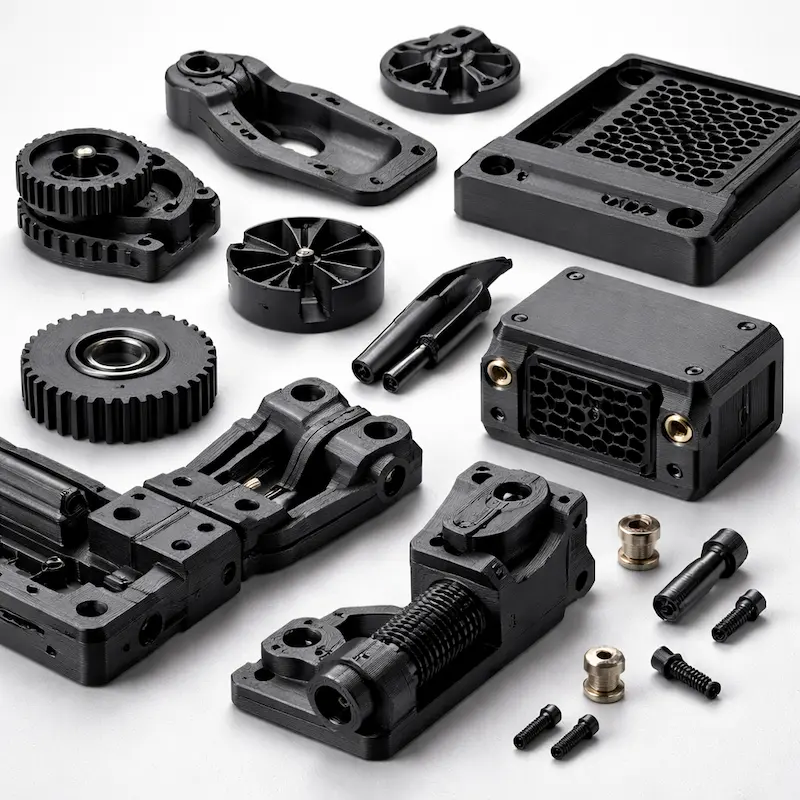
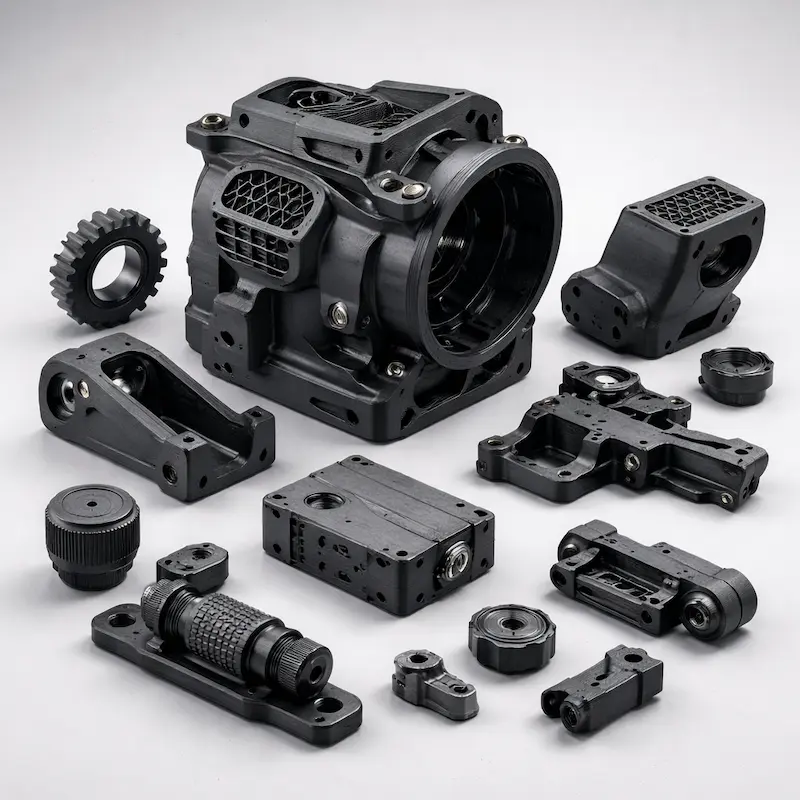
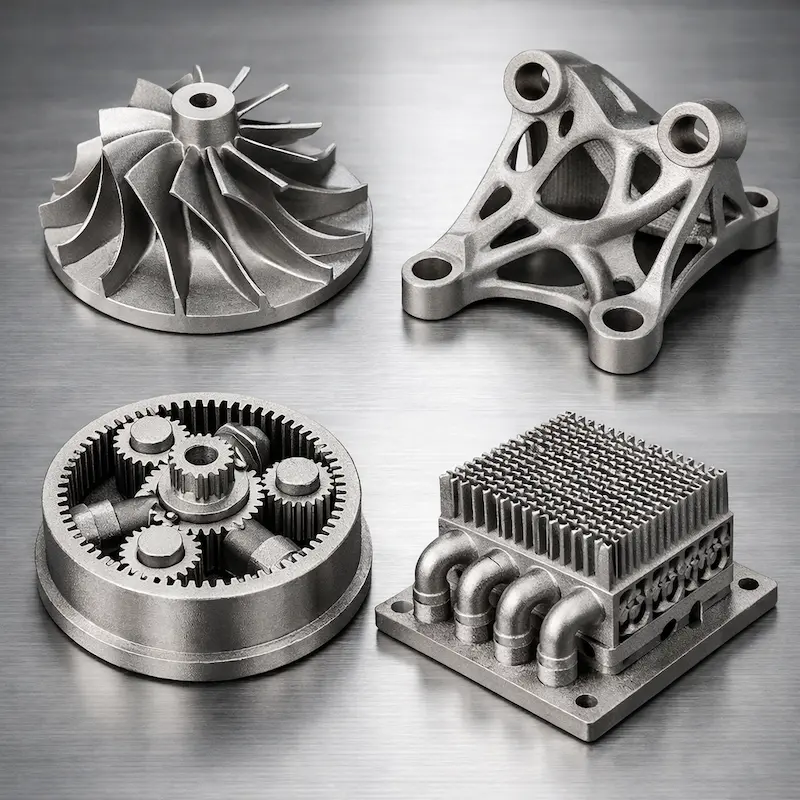
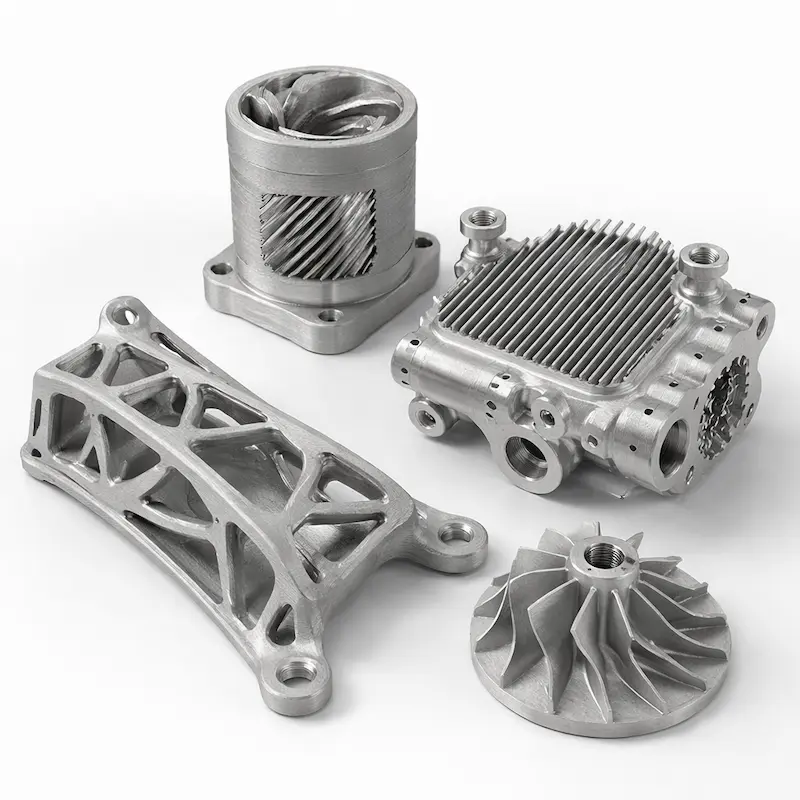
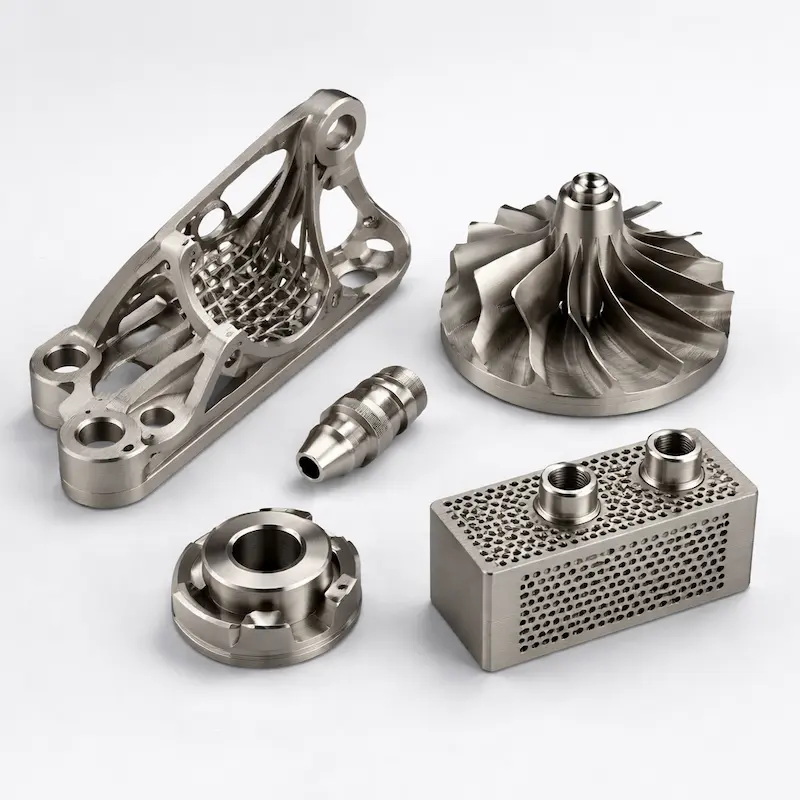
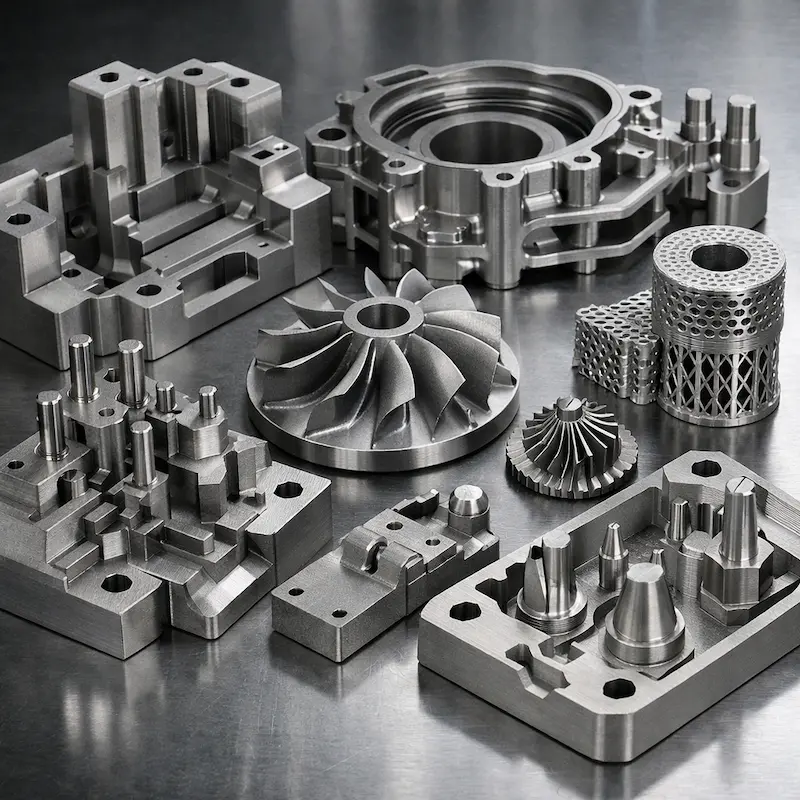
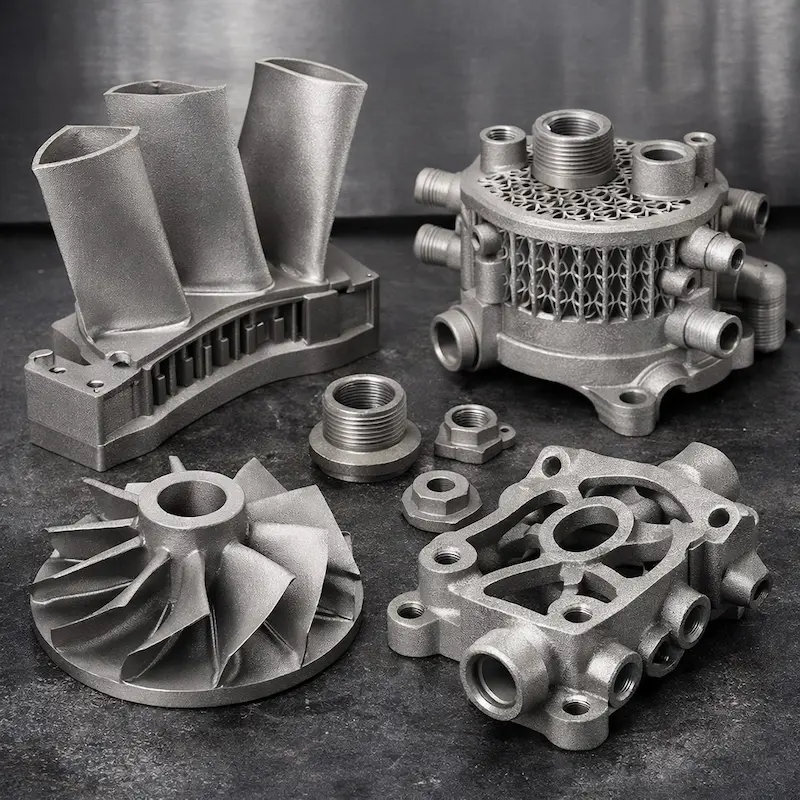

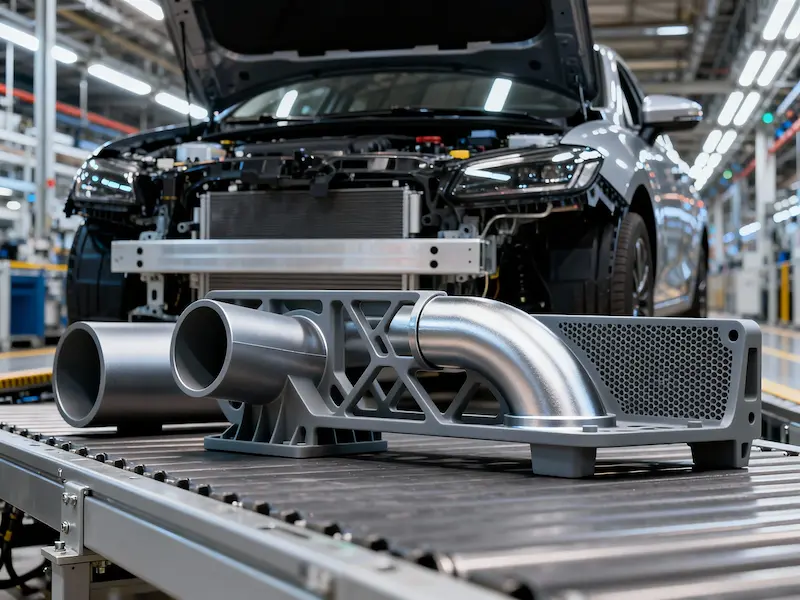
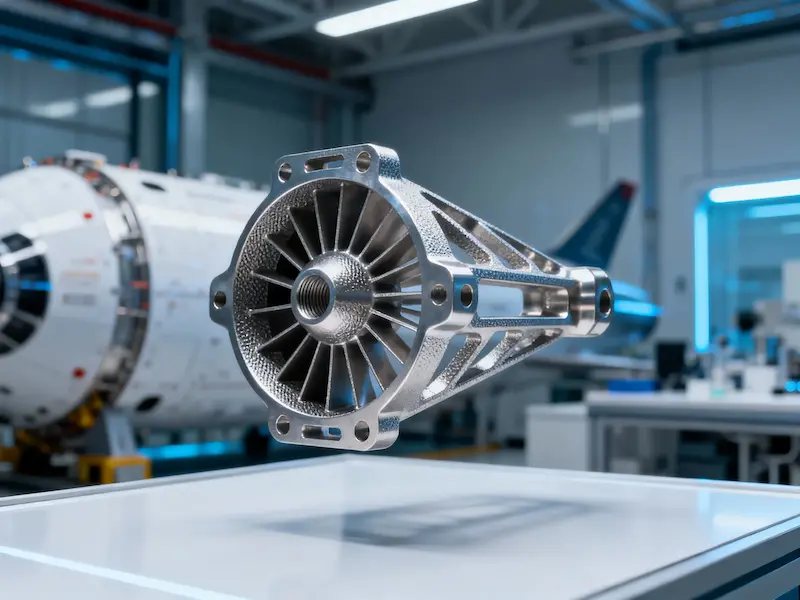
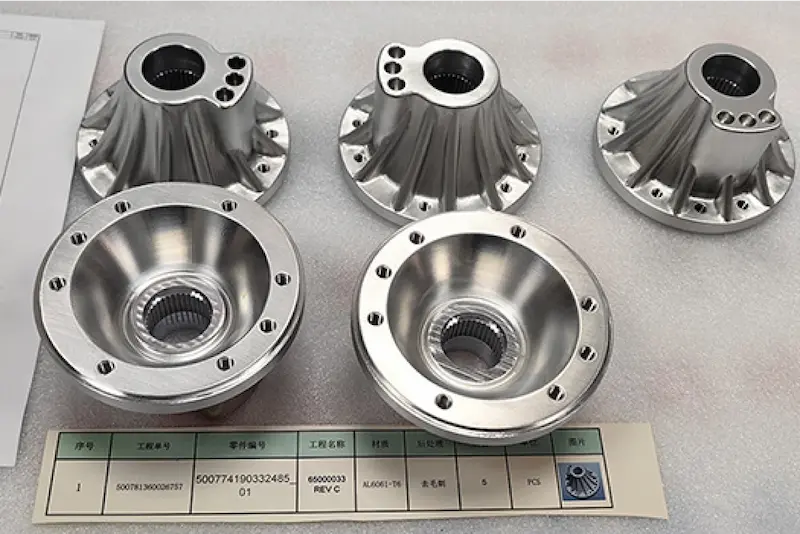
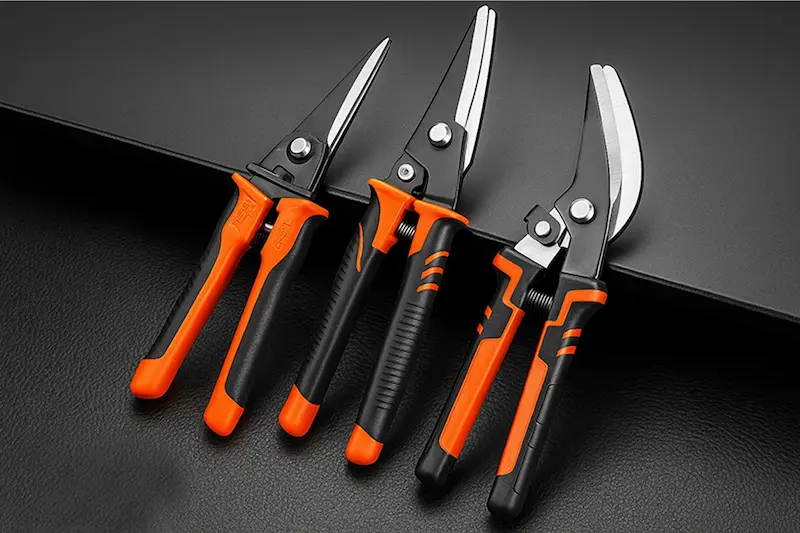
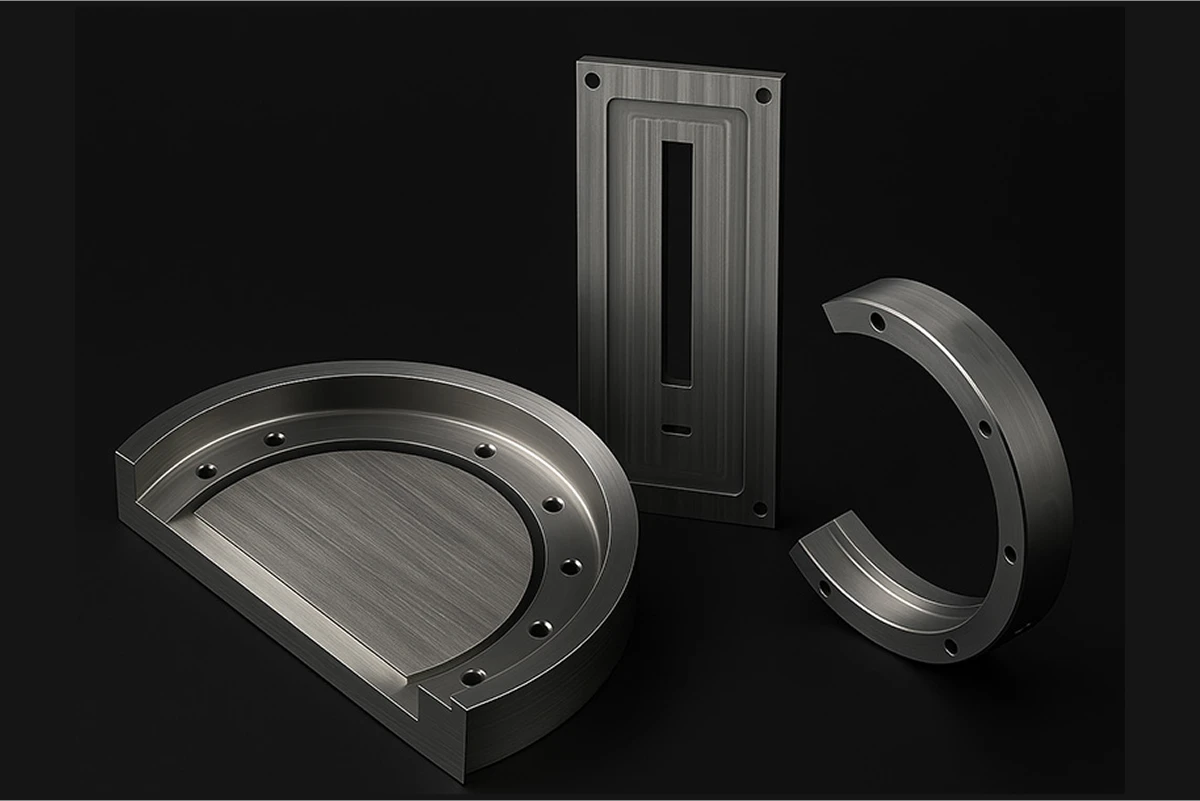
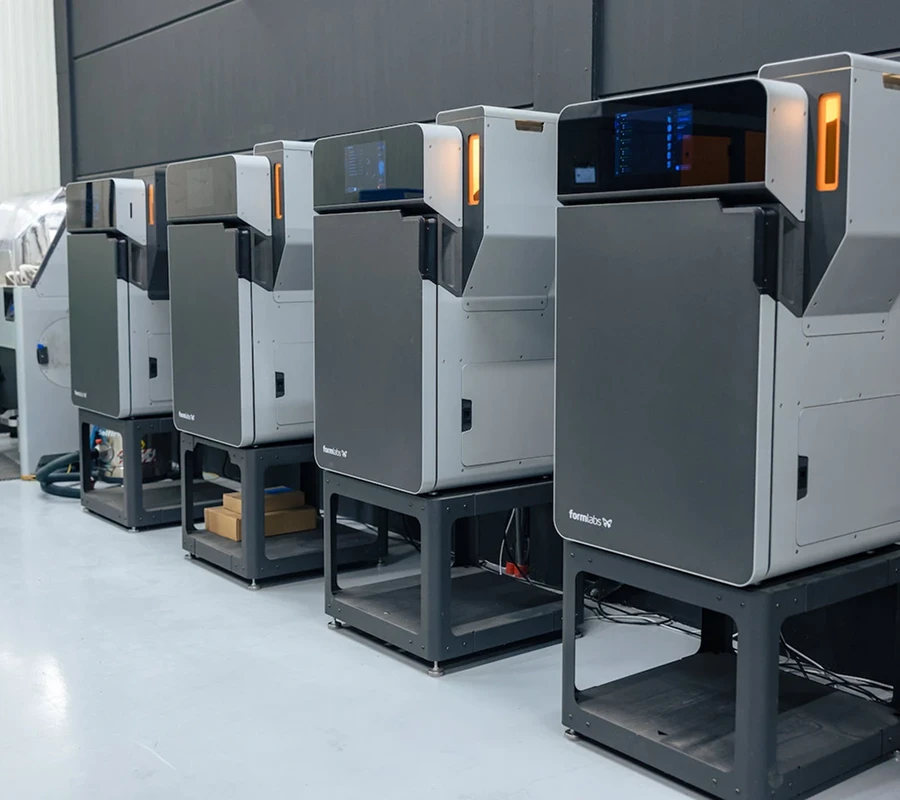
Industrial-grade 3D printing services, supporting SLA / SLS / MJF / FDM / metal 3D printing, suitable for prototype verification and small batch production

Industrial 3D Printing Services

Use SLA, SLS, MJF, FDM, and metal 3D printing for design verification, complex functional parts, and low-volume production. Engineering review supports your project from file analysis through delivery.

A good fit for:

Prototype verification and functional testing.
Parts with complex geometries.
Low-volume and custom parts.
Projects balancing lead time, performance, and cost.
Get an Instant Quote View Manufacturing Capabilities
Your uploaded files are encrypted and kept confidential. NDAs are available on request.

3D Printing Process Capabilities

Compare industrial printing processes for prototypes, functional testing, complex parts, and low-volume production. Each option is matched to your geometry, material, accuracy, finish, quantity, and lead-time requirements.

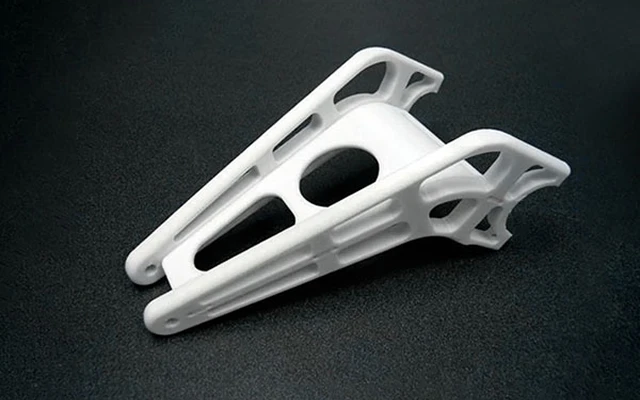
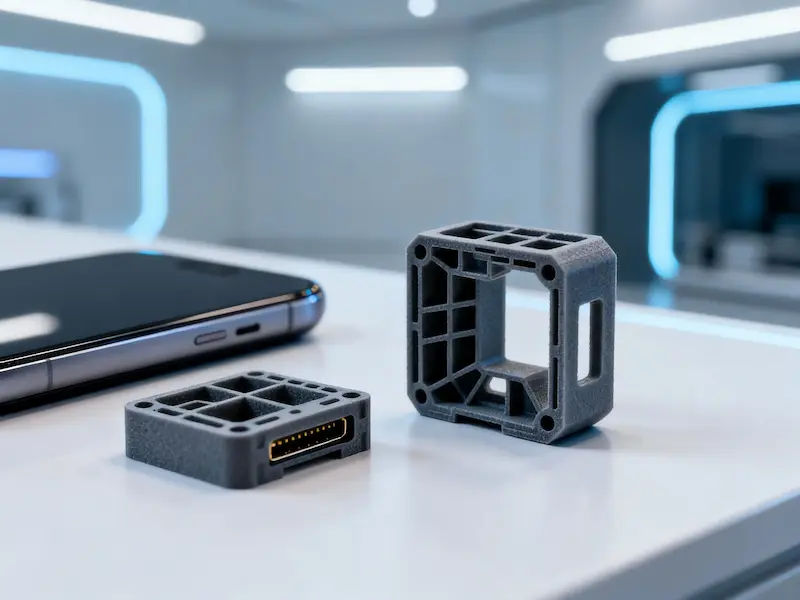
SLS powder sintered 3D printinged parts, suitable for functional testing and complex structural parts

SLS

Powder-bed fusion for strong nylon parts, complex internal features, and low-volume functional components.

Applicable materials: nylon, PA12.

Maximum size: 400×400×400 mm.

Accuracy/Tolerance: ±0.1 mm.

Applicable scenarios:

Functional testware
Complex internal structures
Low-volume durable parts
SLA high-precision light-curing 3D printinged parts, suitable for appearance prototypes and fine structural parts

SLA

High-detail resin printing with a smooth surface for appearance models, fine features, and complex geometries.

Applicable materials: photosensitive resin.

Maximum size: 300×300×300 mm.

Accuracy/Tolerance: ±0.05 mm.

Applicable scenarios:

Appearance prototype
Fine structural parts
Parts that require finishing spray coating and electroplating
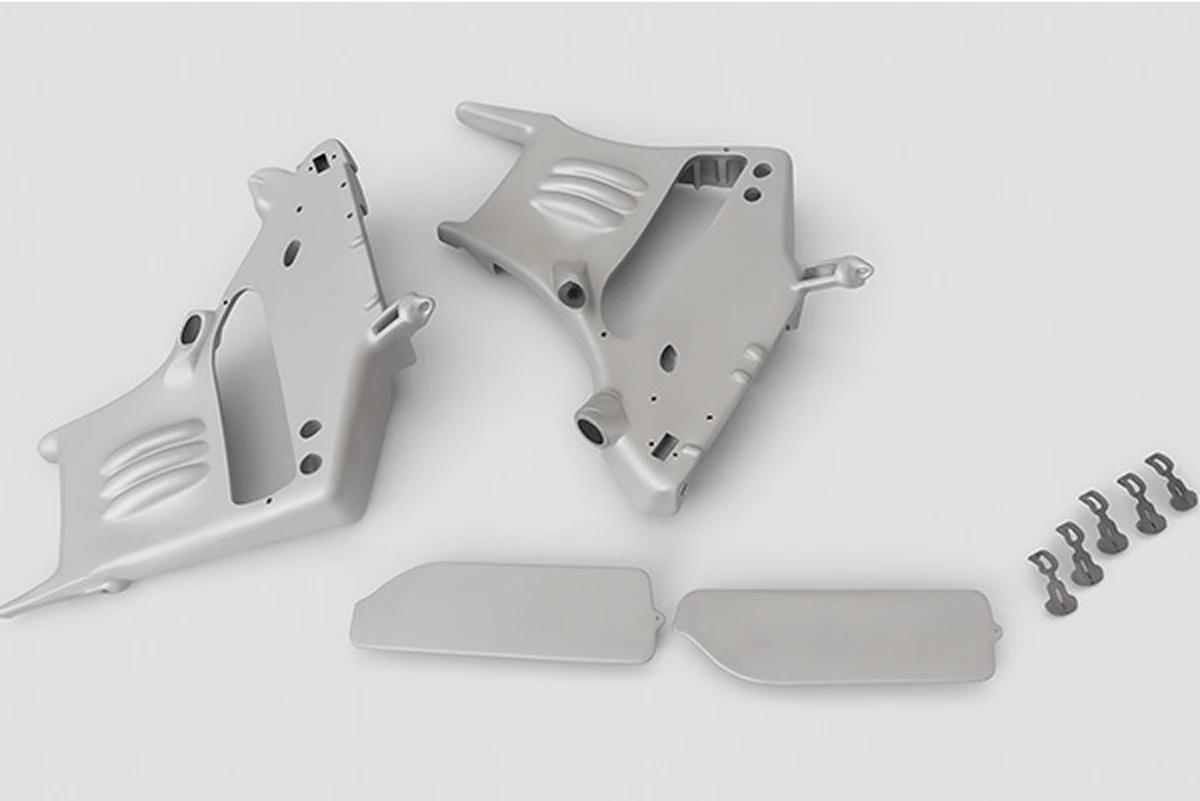
MJF multi-jet fusion 3D printinged parts for low-volume functional parts production

MJF

Fast powder-bed production for durable nylon parts, repeatable dimensions, and low-volume batches.

Applicable materials: nylon, composite materials.

Maximum size: 380×380×380 mm.

Accuracy/Tolerance: ±0.1 mm.

Applicable scenarios:

Small batch functional parts
Parts with high structural consistency requirements
FDM melt extrusion 3D printinged parts for structural validation and fixtures

FDM

Cost-effective extrusion printing for fast structural prototypes, fixtures, and larger functional parts.

Applicable materials: ABS, PLA, PC.

Maximum size: 500×500×500 mm.

Accuracy/Tolerance: ±0.2 mm.

Applicable scenarios:

Structural validation
Tooling & Fixtures
Functional parts with low requirements on appearance
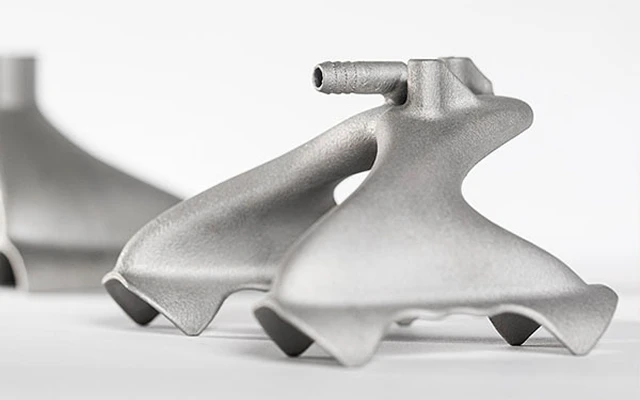
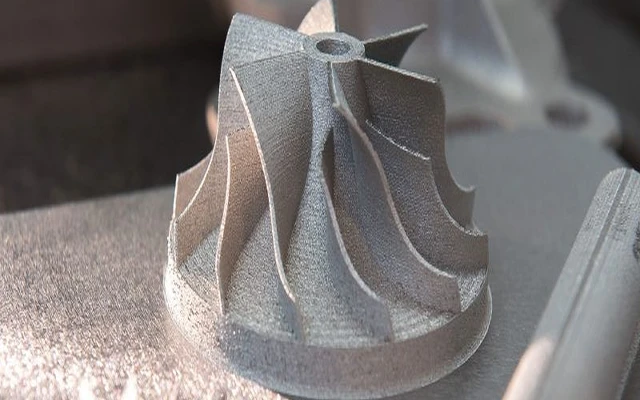
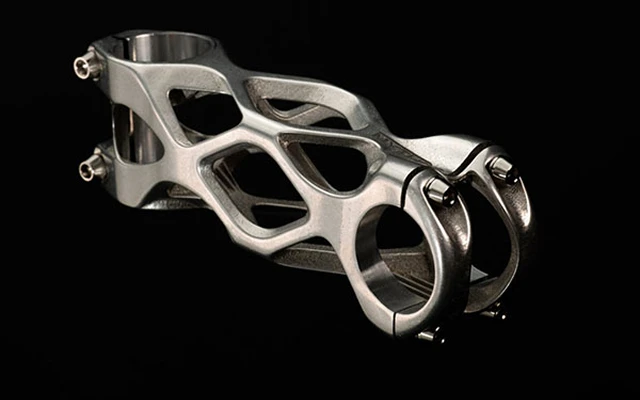
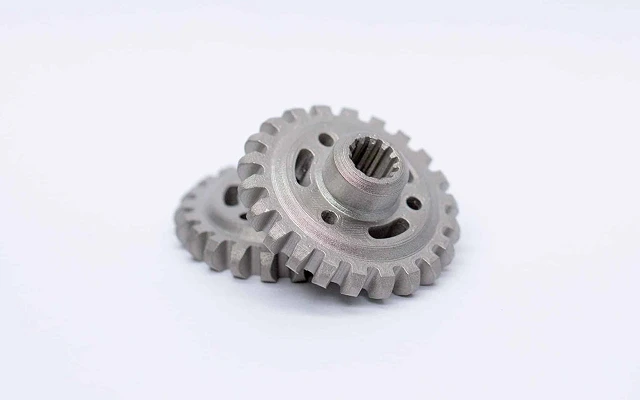
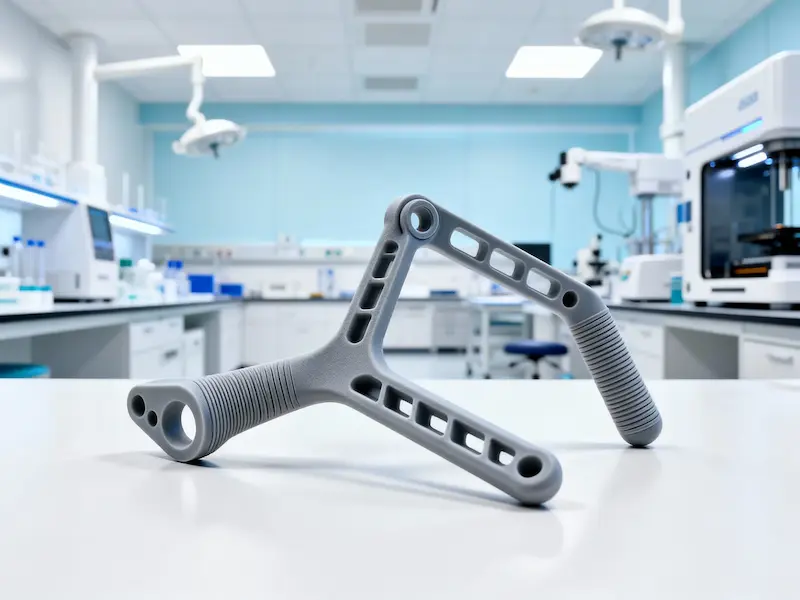
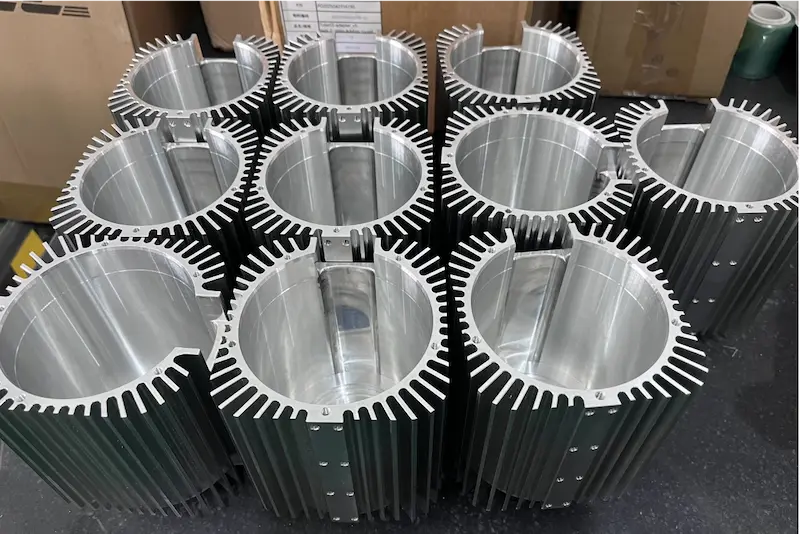
Metal 3D printed parts, suitable for functional parts and small batch production

SLM

Metal powder-bed fusion for strong functional parts, complex internal channels, and low-volume metal production.

Applicable materials: stainless steel, aluminum alloy, titanium alloy, mold steel, etc.

Maximum size: 300×300×300 mm.

Accuracy/Tolerance: ±0.1 mm.

Applicable scenarios:

Functional validation and strength testing
Complex internal cavity components
Low-volume metal parts production
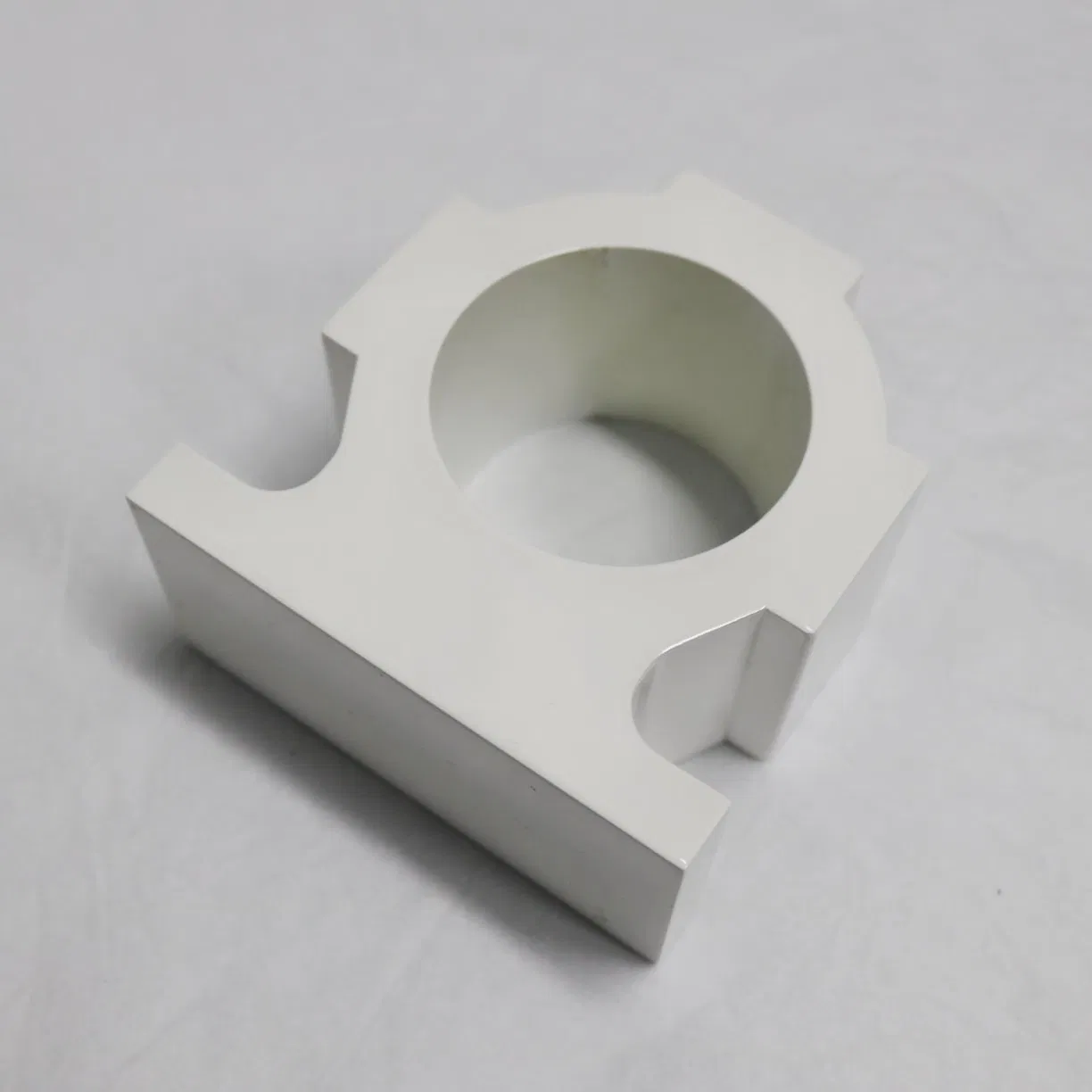
High-precision light-curing 3D printed parts, suitable for appearance prototypes and fine structural parts

DLP

Fast, high-detail resin printing with a smooth surface for precise prototypes and complex small features.

Applicable materials: photosensitive resin.

Maximum size: 300×300×300 mm.

Accuracy/Tolerance: ±0.05 mm.

Applicable scenarios:

Appearance prototype
Fine structural parts
Parts that require finishing spray coating and electroplating

Common Materials for 3D Printing

Compare resins, nylons, and metals by strength, detail, temperature resistance, appearance, and end-use requirements. Our engineers can help confirm the best material and process combination for your part.

Plastic 3D Printing

Standard Resin-White
Standard Resin-Black
Tough Resin – Yellow-Green
Clear Resin – Transparent
Translucent Resin
High-Temperature Resin-Gray
High-Temperature Resin-Beige
Nylon PA12-Solid White
Nylon PA12-Dyed Black
HP MJF Nylon PA12-Dyed Black
Standard Resin-White

Standard Resin-White

Fine-detail SLA resin with a smooth, finish-ready surface for visual models, design reviews, and precise prototypes.

View Material Detail Use material quote

Metal 3D Printing

316L Stainless Steel
Aluminum Alloy (AlSi10Mg)
TC4 Titanium Alloy (Ti-6Al-4V)
Tool Steel 1.2709
Nickel-Based Superalloy
316L Stainless Steel

316L Stainless Steel

Corrosion-resistant stainless steel for strong functional and end-use parts, with optional finishing or machining for fit and appearance.

View Material Detail Use material quote
View more 3D printing materials

Compare additional 3D printing materials, finishes, and applications. If your material is not listed, our engineers can recommend a suitable alternative.

Engineering-Grade 3D Printing Capabilities

Combine process selection, automated drawing analysis, DFM review, engineering oversight, and defined material and tolerance requirements from quote through production.

  1. Automated 3D File Analysis

    Analyze STEP, IGES, STL, and OBJ files for volume, wall thickness, holes, chamfers, surfaces, and complex features to support process selection, DFM review, and pricing.

  2. DFM Manufacturability Review

    Review wall thickness, overhangs, support needs, build orientation, and finishing feasibility, then flag risks and suggest practical design improvements before printing.

  3. Multi-Process Quoting

    Compare suitable SLA, SLS, MJF, FDM, and SLM options by part geometry, material, quantity, price, and lead time.

  4. Engineering Review and Quality Control

    Engineers confirm the process and key parameters, while production checks focus on dimensional accuracy, structural performance, and surface requirements.

  5. Materials and Tolerance Planning

    Select materials and achievable tolerances by process so assembly, strength, finish, and service requirements are confirmed before production.

3D Printing Service Process

A five-step path keeps files, process choices, DFM feedback, production, inspection, and delivery aligned before work moves forward.

  1. File Upload

    • Upload mainstream 3D and 2D formats, including STEP, IGES, STL, DWG, and DXF.
    • Uploaded files are checked for part structure and key dimensions.
    • Service Timeliness: Initial file parsing typically takes 1–5 minutes.
  2. Project Review and Quote

    • Automated DFM analysis flags structural and manufacturability risks.
    • Compare quote options by material, process, and quantity at a glance.
    • Service Timeliness: Standard-part quotes are typically ready within 30 minutes.
  3. Engineering Review and DFM Feedback

    • Engineers review drawings and quote plans for manufacturability.
    • Feedback may cover structural changes, material selection, and process improvements.
    • Service Timeliness: Manual review and feedback are completed within 24 hours.
  4. Production

    • Production follows the confirmed process plan, with quality checks throughout manufacturing.
    • Coordinated scheduling supports prototypes, low-volume batches, and mass production.
    • Service Timeliness:
      -- SLA: 1–3 business days
      -- SLS: 2–5 working days
      -- MJF: 2–5 working days
      -- FDM: 1–3 working days
      -- SLM: 3–7 working days
      -- DLP: 1–2 business days
  5. Inspection and Delivery

    • Parts are packed and shipped domestically or internationally as agreed, with end-to-end tracking.
    • Factory inspection reports and material certificates are available.
    • Service Timeliness: Domestic delivery typically takes 1–7 days; international timing varies by destination.

3D Printing Industry Solutions

Support prototypes, functional testing, and low-volume parts for robotics, automotive, aerospace, consumer products, medical devices, and automation. Process and material choices are matched to geometry, performance, finish, quantity, and project stage.

  • Shell and structural prototypes
  • Functional validation piece
  • Complex internal cavity components
  • Lightweight bracket
  • Robot end effector
  • Jigs and fixtures
  • Drone parts
  • Medical device components
  • Automotive interiors and functional parts

Related Injection Molding Applications

For projects moving beyond printed prototypes, explore injection molding applications supported by DFM, tooling, process validation, and quality planning.

Thin-Wall Enclosure Production

DFM review optimized draft angles, ribs, and gate locations for a stable appearance, reliable assembly, and repeatable low-volume production.

Thin-wall electronic product housing injection molding case

Insert-Molded Threaded Parts

Precisely positioned metal inserts improved thread strength and assembly reliability while maintaining consistent overmolding quality.

Insert injection molded metal threaded structural parts case

Overmolded Soft-Touch Grips

Two-shot molding bonded soft rubber to a rigid substrate for improved grip, slip resistance, and sealing performance.

Case study of rubberized and overmolded soft-touch handles

Multi-Cavity Mold Production

An optimized runner and cooling system increased capacity while maintaining a stable cycle and consistent production quality.

Multi-cavity injection mold batch production case

Precision Small Plastic Parts

Mold design and process parameters were optimized for dimensional stability, assembly fit, and batch consistency.

Precision Small Plastic Parts injection molding case
XFabro SLS powder sintering 3D printing workshop
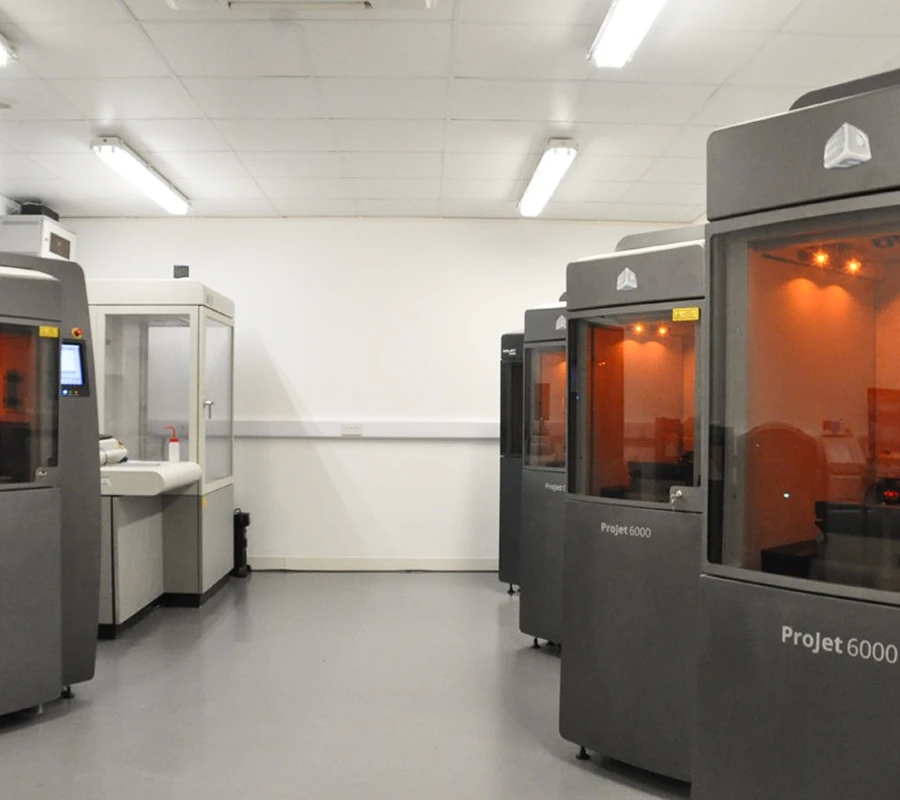
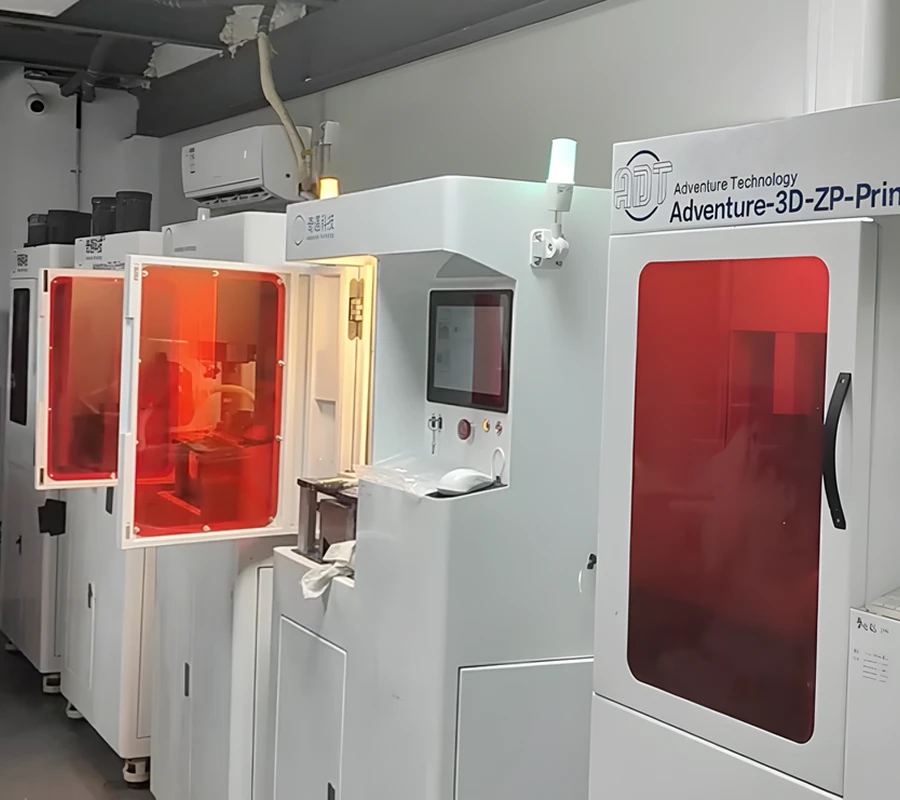
XFabro SLA light curing 3D printing workshop
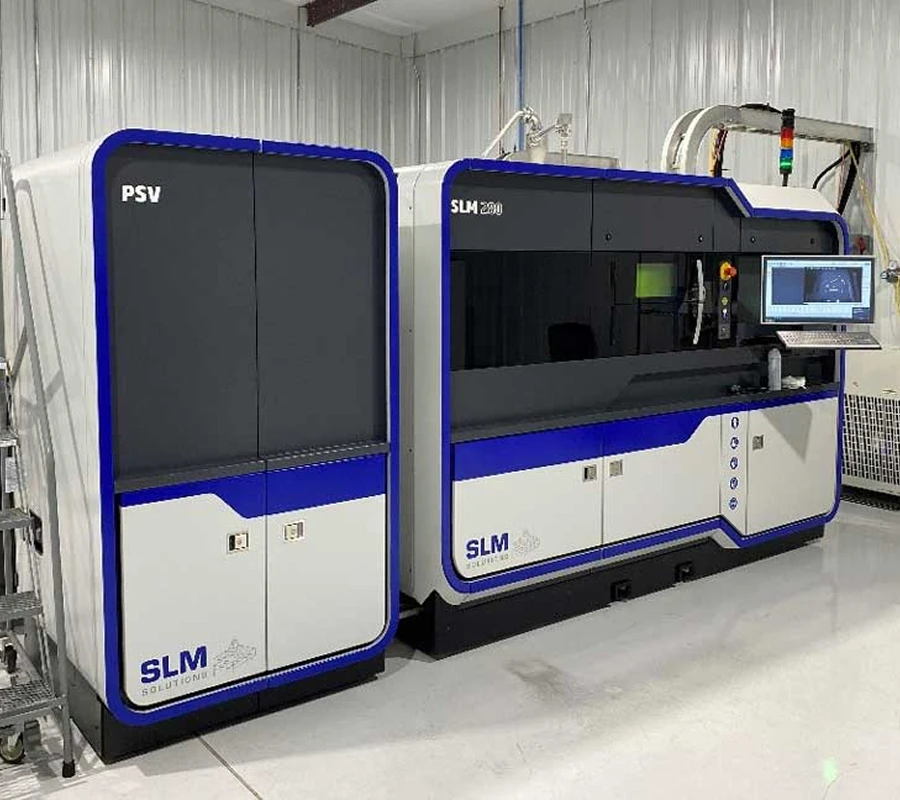
XFabro SLM metal 3D printing workshop
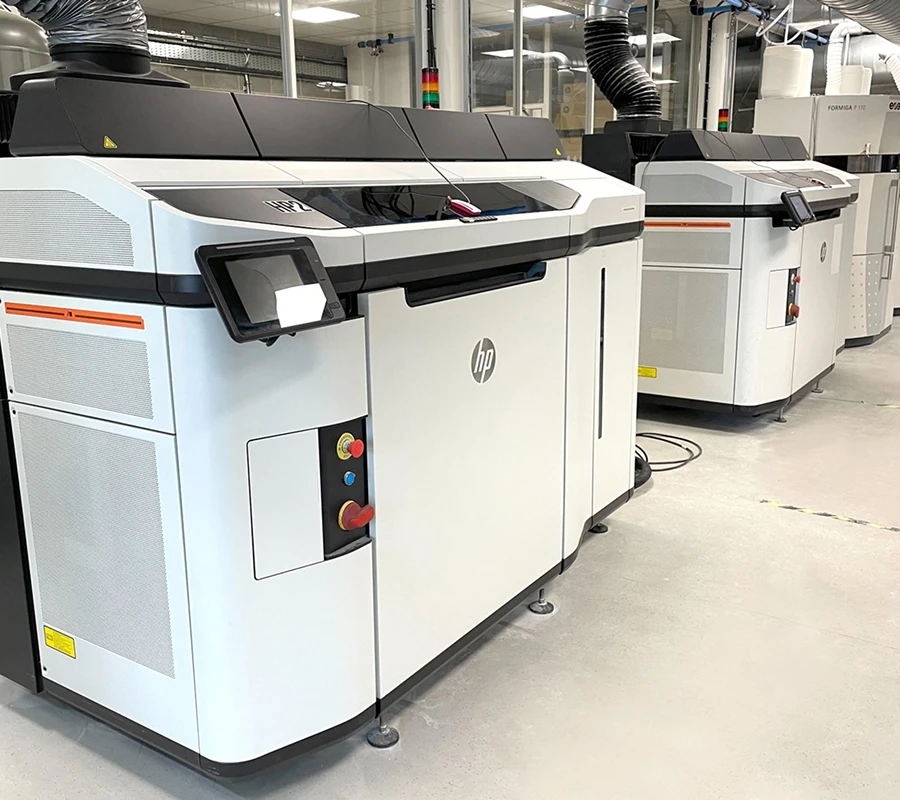
XFabro MJF multi-jet fusion 3D printing workshop
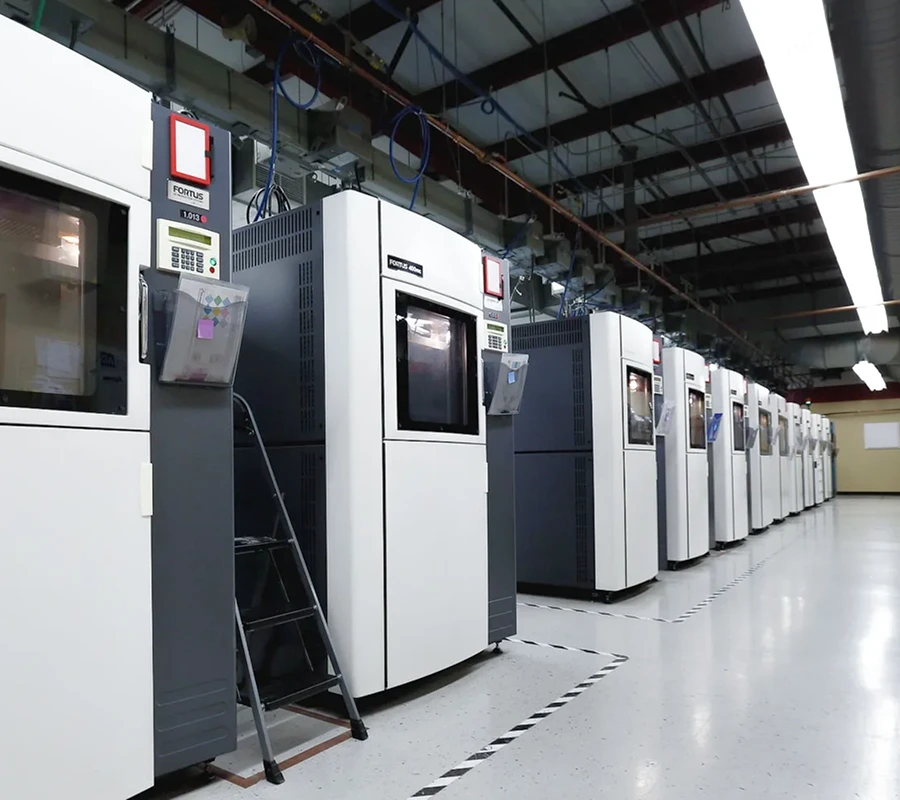
XFabro FDM melt extrusion 3D printing workshop
XFabro DLP light curing 3D printing workshop

FAQs

Find answers about files, processes, materials, tolerances, build size, finishing, lead times, quoting, and confidentiality.