
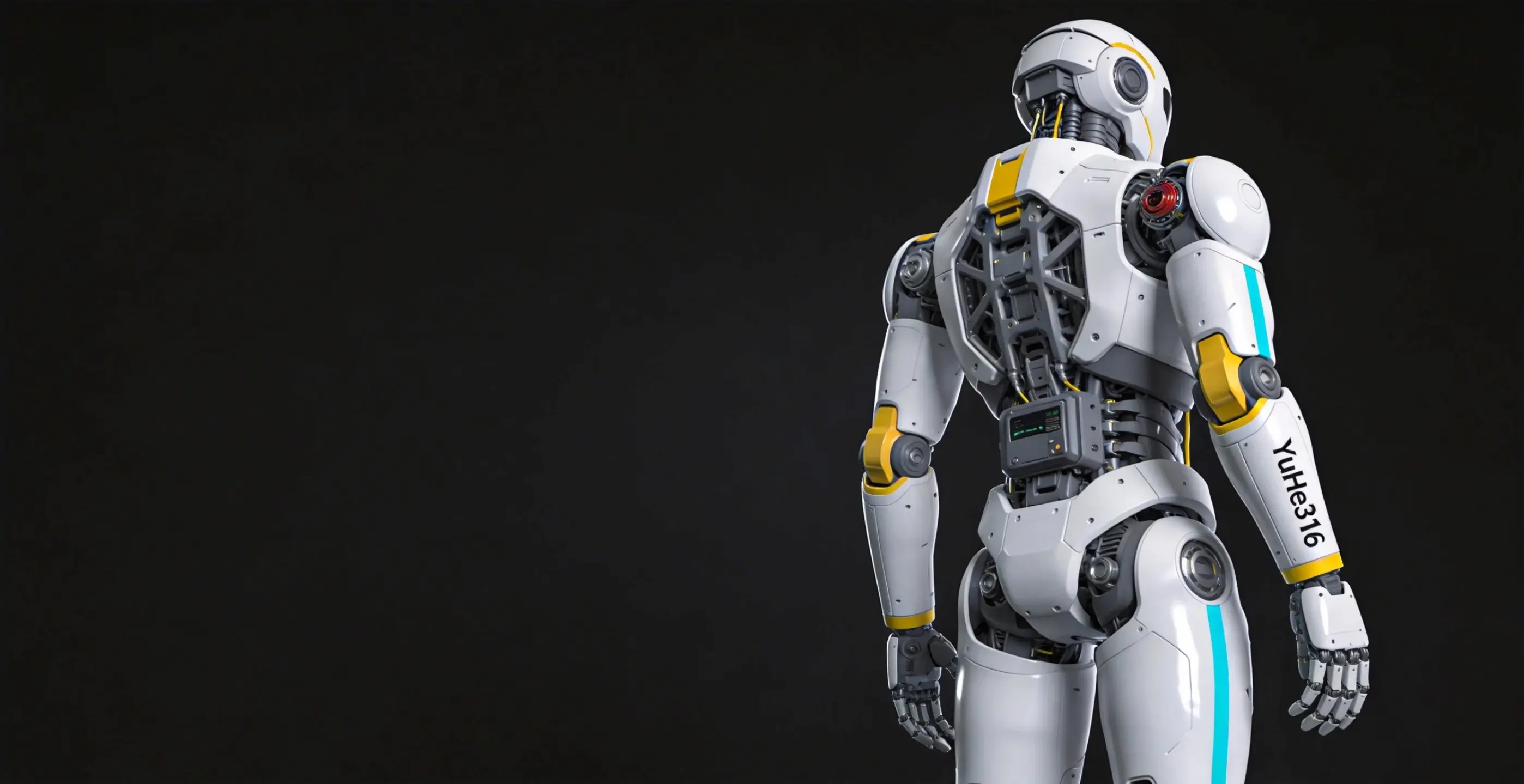
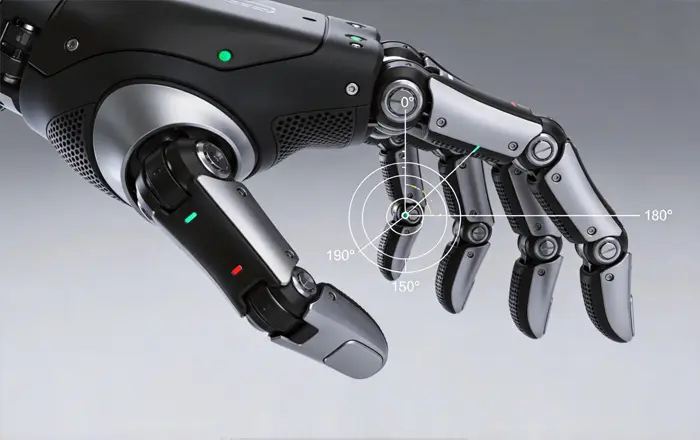
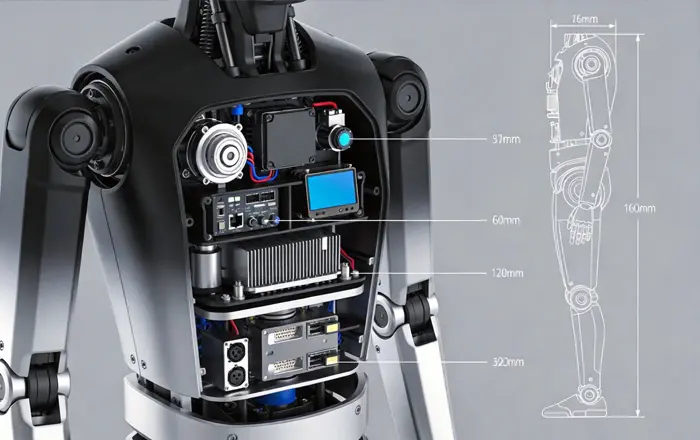
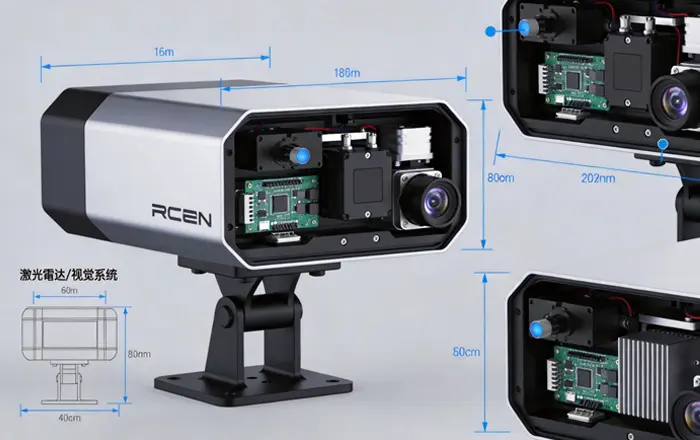
Robotics parts manufacturing for robot bodies, joint modules, end effectors, and automation systems

Robotics Parts Manufacturing Services

Manufacture robot bodies, joint housings, frames, sensor mounts, and end effectors from prototype validation through production. XFabro combines DFM review, multi-process manufacturing, and inspection support to control fit, strength, motion, and repeatability.

Review loads, fits, datums, clearances, and assembly relationships for reliable motion.
Balance precision, strength, and assembly needs to reduce rework, binding, noise, and wear.
Iterate faster with engineering feedback on structure, materials, tolerances, and processes.
Scale from prototypes to production with controlled drawings, inspection requirements, and revisions.
Choose CNC machining, sheet metal, 3D printing, molding, or vacuum casting for the part and volume.
Get an Instant Quote Discuss Your Robotics Project With an Engineer
Encrypted storage, controlled access, and optional non-disclosure agreements (NDAs) help protect your drawings and intellectual property.

Engineering Considerations for Robotics Parts

Robotics parts must perform as members of a moving assembly, not simply meet isolated dimensions. Weight, stiffness, fits, datum relationships, clearances, and cyclic loads all influence motion quality and service life.

Balance Low Weight and High Stiffness

Control mass without sacrificing the stiffness needed to limit deformation and vibration in thin-walled, ribbed, or cantilevered structures.

Typical considerations:

Thin walls, ribs, and cantilevered features
Deformation and vibration that affect positioning accuracy

Control Fits and Clearances in Motion

Rotating, reciprocating, and multi-axis mechanisms require compatible fits and controlled clearances throughout the kinematic chain.

Typical considerations:

Consistent fits across joints, reducers, and connectors
Clearances that affect noise, wear, and service life

Maintain Assembly Geometry

Datum schemes and geometric tolerances must align mating parts across an assembly, not only control individual feature sizes.

Typical considerations:

Hole patterns and positions that affect interchangeability
Coaxiality and parallelism that affect stable motion

Plan for Repeated-Load Stability

Cyclic loads can cause loosening, uneven wear, fatigue, and accuracy drift unless interfaces and load paths are controlled.

Typical considerations:

Stable positioning under repeated movement
Reliable joints, finishes, and wear surfaces

Robotics Parts We Manufacture

XFabro manufactures joint and motion-control components, structural frames, sensing and control hardware, and end-effectors for complete robots and subsystems. Process selection and inspection requirements are matched to each part's geometry, material, fit, load, and production stage.

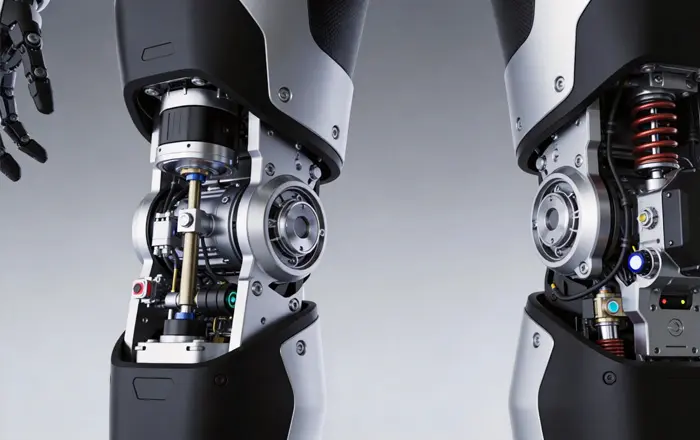
Robot motion control system components: joints, reducer housings, actuators and transmission components

Motion-Control System Components

Robot joint housings, connectors, and brackets
Harmonic reducer housing and mounting flange
Actuator structures, motor bases, end covers, and guides
Torque tubes, torque arms, and load-transmission structures
Planetary reducer assembly and gearbox housing
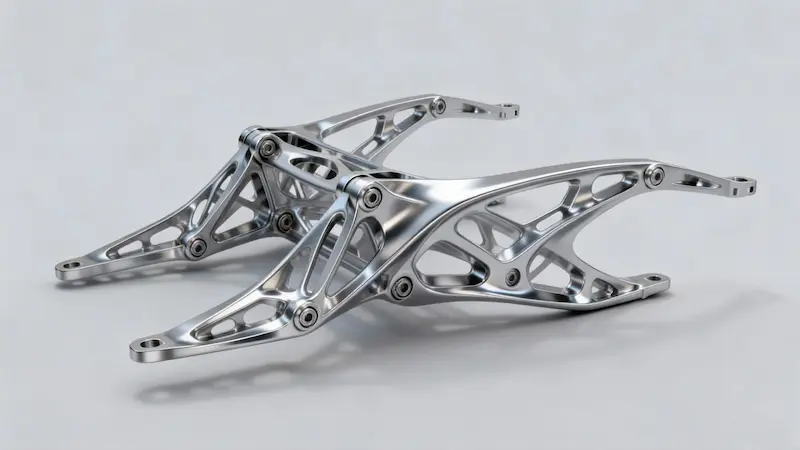
Robot structure and frame components: connecting rods, chassis, mounting plates and composite structural parts

Robot Structures and Frame Components

Collaborative-robot links and arm structures
Exoskeleton and wearable-device frames and connectors
Mobile-robot chassis in aluminum, carbon fiber, or composite materials
Sensor mounting plate, positioning bracket and adapter plate
Automated guided vehicle (AGV) and autonomous mobile robot (AMR) body structures and protective enclosures
Drone frames, arms, reinforcements, and assemblies
Steel tube welded frame and sheet metal frame parts
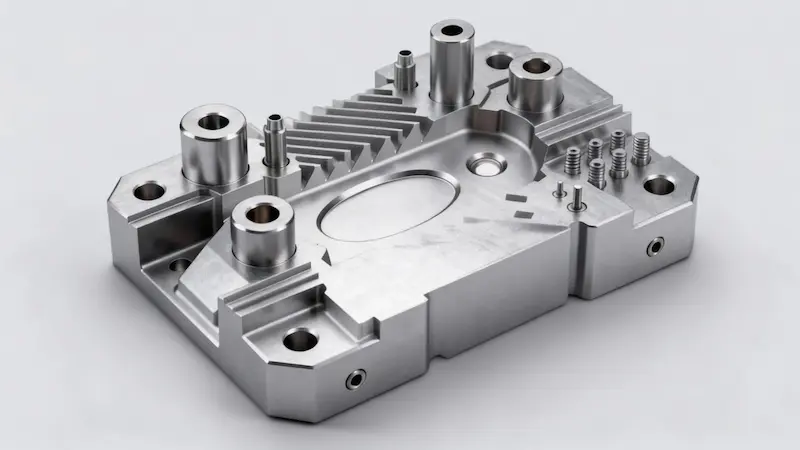
Robot control and hardware components: sensor housings, control cabinets, wiring harnesses and drag chain components

Robot Control and Sensor Hardware

Light detection and ranging (LiDAR) and vision-system housings and brackets
Force/torque sensor structural parts and mounting components
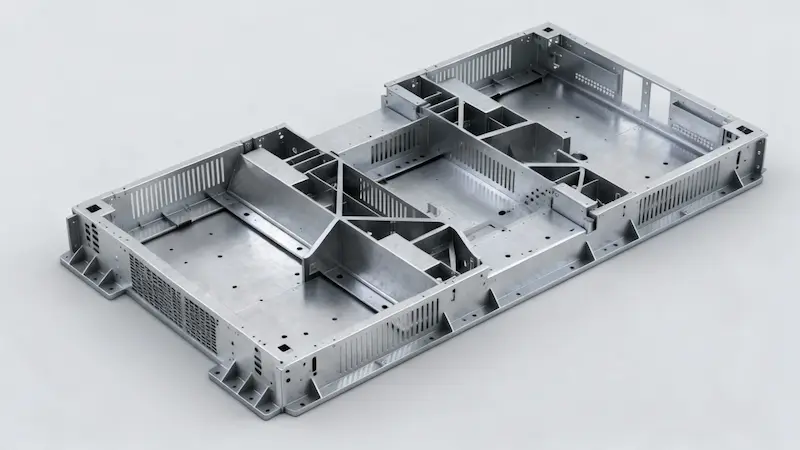
Ingress-protected control cabinets and sheet metal enclosures
Motor-encoder structures and end covers
Wire harness guides, cable management boards and cable clips
Drag chains/cable carriers and mounting accessories
Inertial measurement unit (IMU) and navigation-module housings and mounts
Tactile and pressure-sensor array housings
Robot end effector mechanism: gripper, tool changer, adsorption tool and interface piece

End-Effector Mechanisms

Adaptive electric-gripper structures and gripper fingers
Quick-change tool interfaces and mounting flanges
Vacuum end tool and suction cup holder
Medical, inspection, and precision-manipulator structures
Welding/grinding end interfaces and tooling fixtures
Pneumatic clamping jaws and mounting components
Magnetic end tools and positioning components
Soft and flexible gripper structures and mold components

Manufacturing Processes for Robotics Parts

Select a process based on part geometry, material, performance, volume, and production stage. XFabro supports 3D printing, CNC machining, sheet metal fabrication, injection molding, and vacuum casting from early validation through production.

Engineering Challenges We Help Robotics Teams Solve

Robotics parts must assemble smoothly, move reliably, and remain consistent across builds. Our engineering review focuses on five recurring challenges: joint fit, tolerance stack-up, weight and stiffness, iteration cost, and transition to production.

The key issues we solve for robot customers: smooth assembly, error control, lightweight and strength balance, iterative cost reduction, from prototype to mass production introduction

Will Joint Components Assemble and Move Smoothly?

We review hole patterns, datums, and mating clearances to reduce binding, abnormal noise, uneven wear, and repeated fitting work during assembly.

How Can Cumulative Multi-Axis Error Be Controlled?

We allocate tolerances and inspection points along the assembly datum chain, prioritizing coaxiality, parallelism, and position where accumulated error affects motion accuracy.

How Can Weight and Stiffness Be Balanced?

We review wall thickness, hollow sections, ribs, joints, materials, and process options to reduce weight while managing deformation, vibration, and fatigue risk.

How Can Iteration Costs Be Controlled?

DFM review and stage-appropriate process selection help reduce avoidable rework. A project can move from 3D printing to CNC machining, sheet metal fabrication, or molding as the design and volume mature.

How Can a Prototype Transition to Production?

Controlled drawing revisions, inspection requirements, and key process parameters create traceability between prototypes, pilot builds, and production orders.

Robotics Parts Manufacturing Process

  1. Share Drawings and Assembly Requirements

    • Upload STEP, IGES, STL, DWG, DXF, or other supported engineering files.
    • Identify assembly relationships, critical dimensions, datums, finishes, and functional requirements.
    • Typical response: Automated file analysis takes 1–5 minutes.
  2. Review Manufacturability and Receive a Quote

    • We assess structure, assembly, load, tolerance, and process risks.
    • Receive a manufacturing approach matched to material, process, and quantity.
    • Typical response: An initial quote for standard parts within 30 minutes.
  3. Confirm Engineering Recommendations

    • An engineer reviews joint fits, tolerance chains, load paths, and lightweight structures.
    • Receive practical recommendations for structure, materials, tolerances, and processes.
    • Typical response: Engineering feedback within 24 hours.
  4. Manufacturing and Quality Control

    • Use CNC machining, sheet metal fabrication, 3D printing, molding, or a coordinated process route.
    • Apply incoming, in-process, and outgoing quality controls (IQC, IPQC, and OQC).
    • Maintain controlled revisions across prototype, pilot, and production stages.
    • Timing: Manufacturing lead time depends on the selected process, finishing, inspection, and quantity.
  5. Inspection, Delivery, and Ongoing Support

    • Receive agreed dimensional reports, coordinate measuring machine (CMM) data, or material certificates.
    • Use project-appropriate packaging and domestic or international logistics.
    • Retain revision support for repeat orders and production scale-up.
    • Typical transit: Domestic delivery takes 1–7 days; international transit varies by destination.

FAQs