
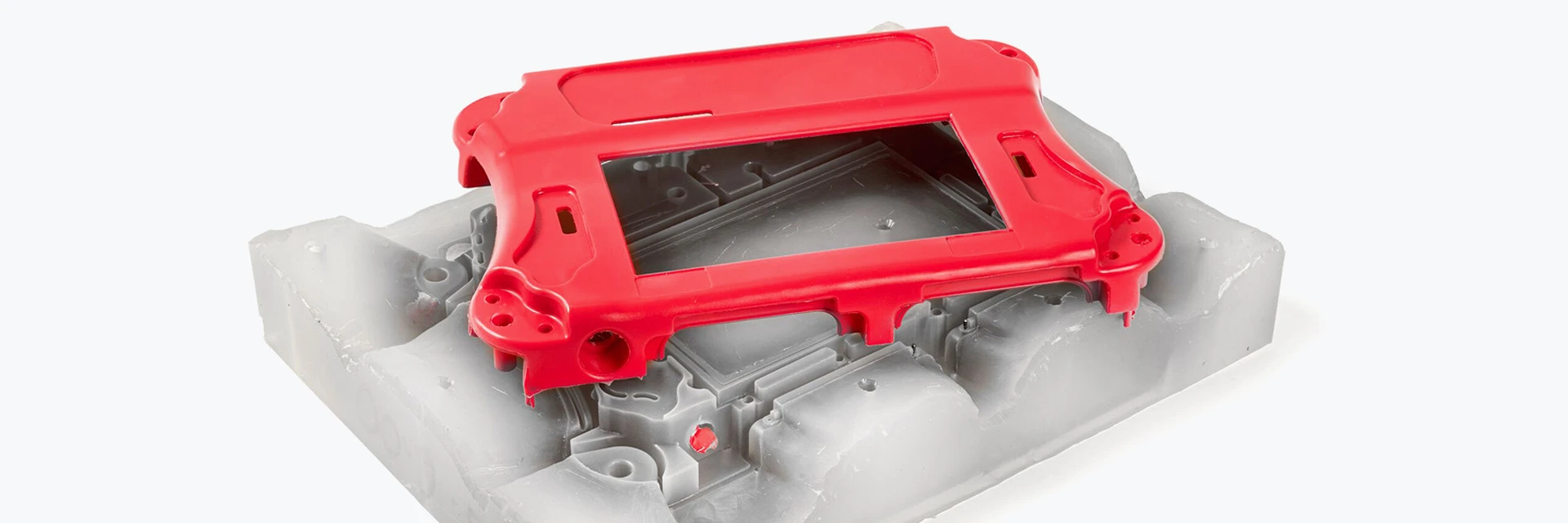
We accept common engineering formats:
- 3D: STEP, IGES, Parasolid, STL
- 2D: DWG, DXF, PDF
Providing a STEP model with a dimensioned 2D drawing, cosmetic-surface definitions, and assembly requirements helps us evaluate the project more accurately.

Manufacture consumer electronics, smart devices, household products, and other consumer goods from appearance and functional prototypes through pilot builds and repeat delivery. XFabro combines design for manufacturability (DFM), multi-process manufacturing, inspection documentation, and revision control.
Consumer products need more than correct geometry. They must meet stated appearance, fit, function, cost, and launch requirements while remaining repeatable from prototypes through pilot and production-introduction builds.
Surface finish, texture, feel, gaps, and flushness shape the customer's quality perception and must remain consistent between builds.
Thin walls, snap fits, compact layouts, and functional interfaces must satisfy the stated strength, assembly, and manufacturing requirements together.
The best process changes as the design matures and quantity increases, balancing validation speed, tooling investment, unit cost, and repeatability.
Manufacturing decisions should support rapid validation, controlled pilot builds, and a practical transition to repeat production around the target launch window.
XFabro manufactures cosmetic, structural, enclosure, interface, assembly, and functional components for consumer electronics, smart devices, household products, and other consumer goods. The process is selected according to appearance, function, quantity, schedule, and confirmed acceptance requirements.
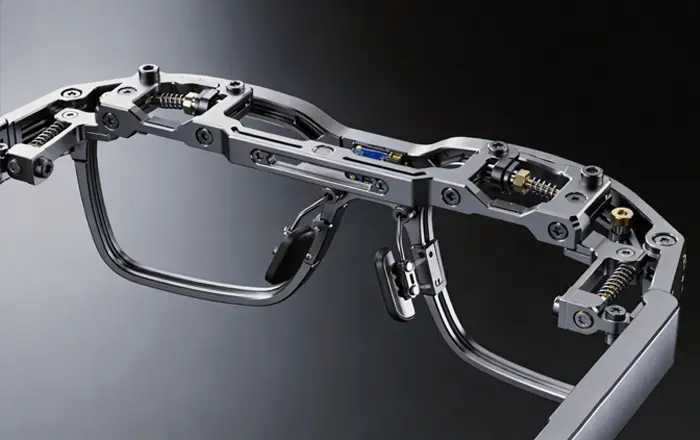
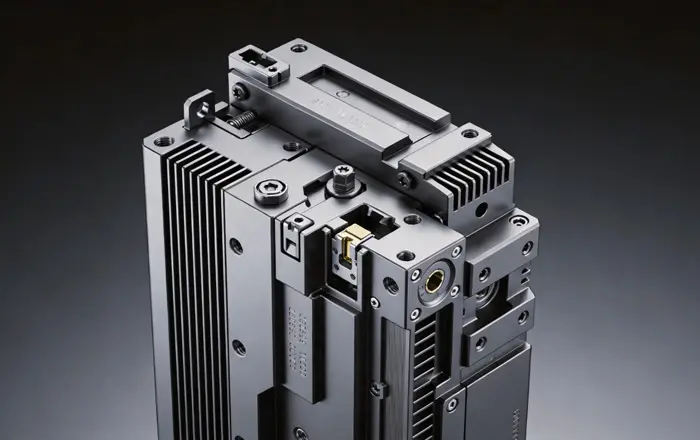
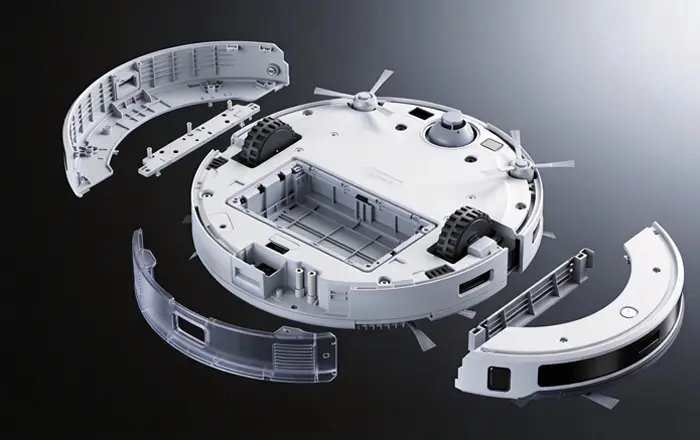
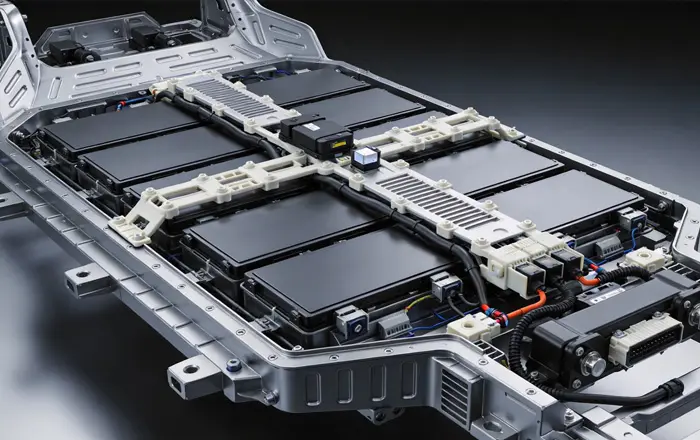
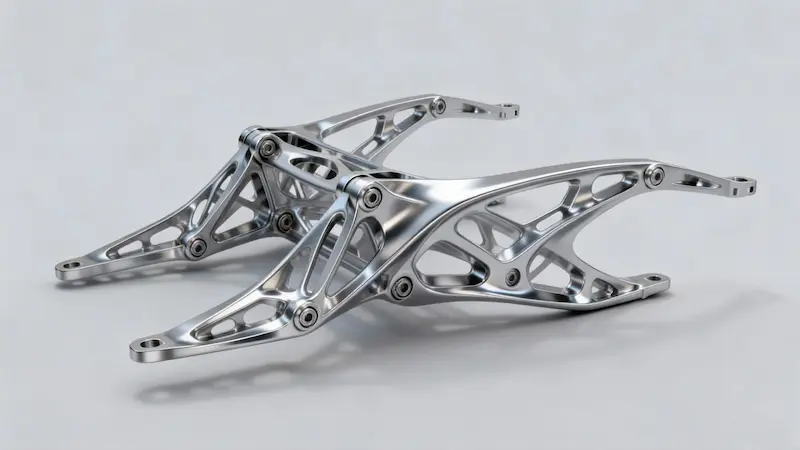
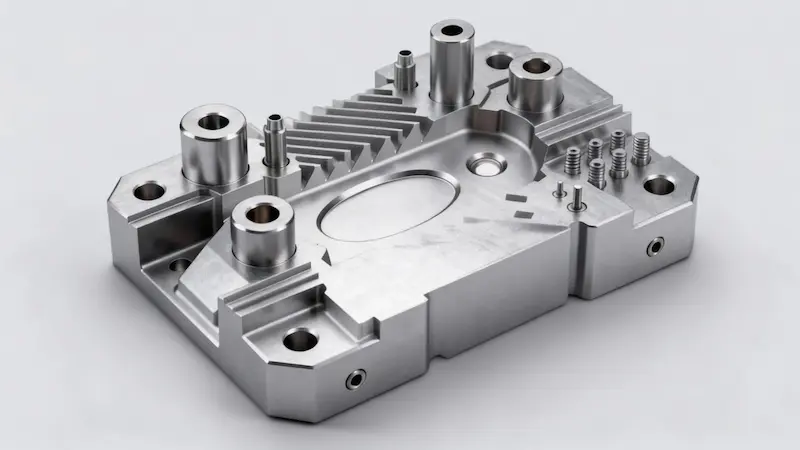
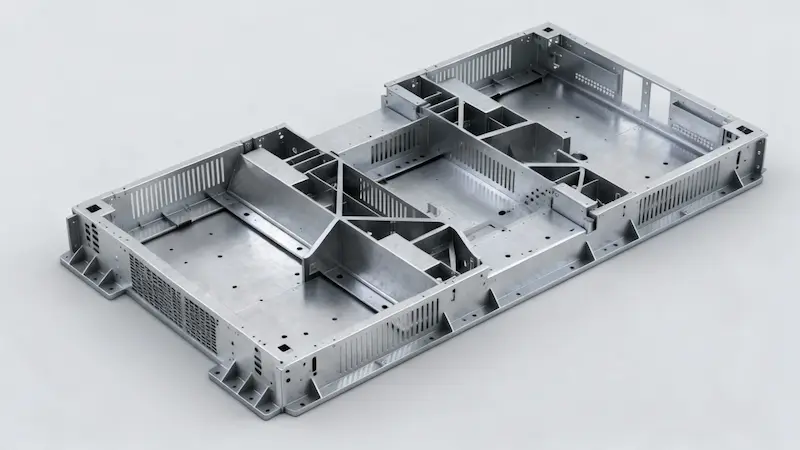
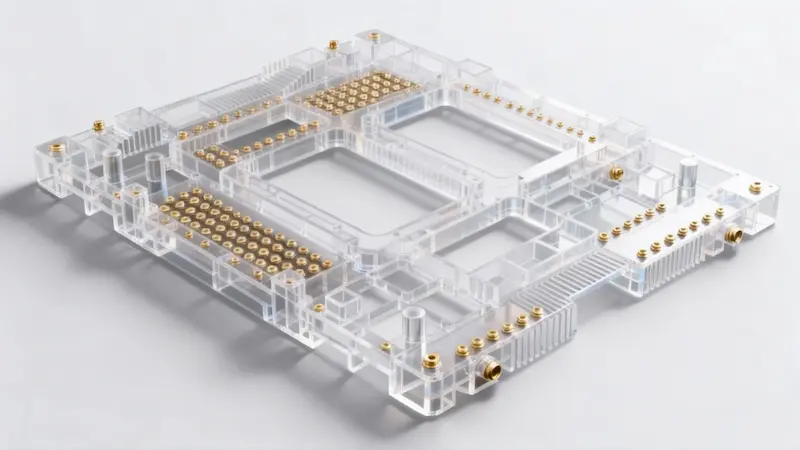
Select a process according to geometry, material, appearance requirements, quantity, schedule, and intended use. XFabro supports 3D printing, CNC machining, sheet metal fabrication, injection molding, and vacuum casting from prototype validation through pilot builds and confirmed repeat-production requirements.
A consumer product must meet appearance, function, assembly, cost, and launch requirements together. We help teams manage scalable cosmetic and structural quality, repeatable assembly, revision control, manufacturing cost, and the transition between prototype and production processes.

We review cosmetic surfaces, critical structures, and datums together to identify shrinkage, warpage, weld-line, deformation, and fixturing risks before the process is confirmed.
Materials, processes, finishing, tooling, and assembly labor are reviewed against the target cost so alternatives can be considered without weakening confirmed product requirements.
We review tolerance chains, locating features, snap fits, bosses, inserts, gaps, and flushness to identify assembly risks and recommend practical tolerance or process changes.
Drawing revisions, critical dimensions, materials, finishes, and cosmetic requirements are identified and compared so each build follows the intended design state.
Once geometry, assembly, cosmetic standards, and demand are sufficiently stable, we review draft, parting lines, wall thickness, ribs, inserts, tooling cost, and finishing before recommending a process transition.
We accept common engineering formats:
Providing a STEP model with a dimensioned 2D drawing, cosmetic-surface definitions, and assembly requirements helps us evaluate the project more accurately.
The process is selected according to geometry, material, appearance, quantity, schedule, intended use, tooling investment, and required evidence. Manufacturing review does not replace customer product, safety, compliance, or regulatory validation.
Final cosmetic acceptance criteria should be confirmed with the customer before production.
Yes. We support prototypes, engineering validation test (EVT) and design validation test (DVT) builds, pilot quantities, and production-introduction reviews for confirmed project requirements.
Lead time depends on the process, material, tooling, finishing, inspection, documentation, and quantity. Typical targets are:
Yes. We can sign a non-disclosure agreement (NDA) and apply controlled access to drawings, revision information, appearance standards, and manufacturing records.