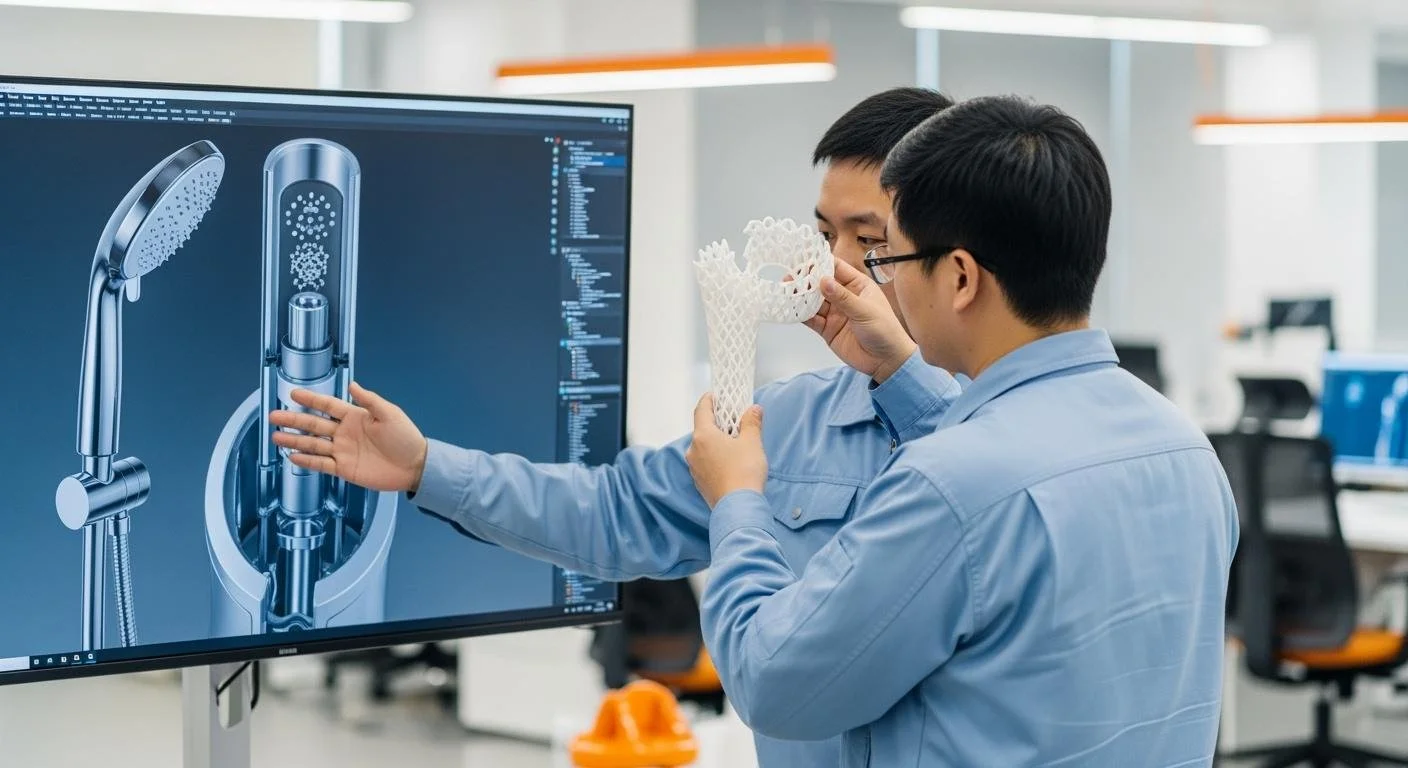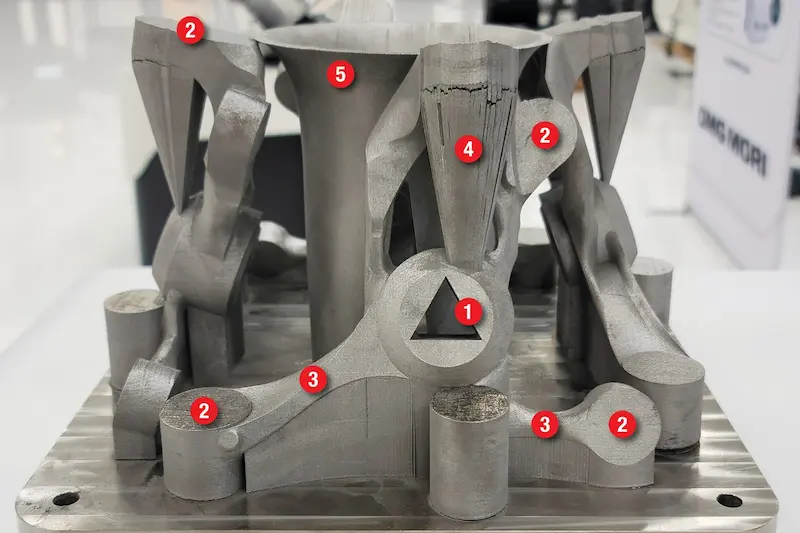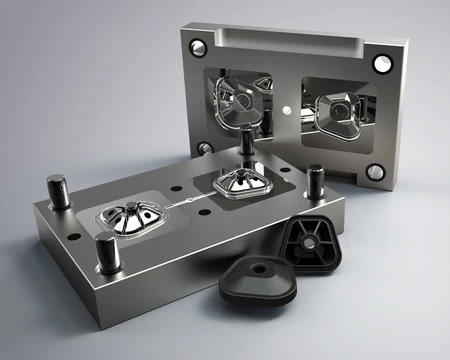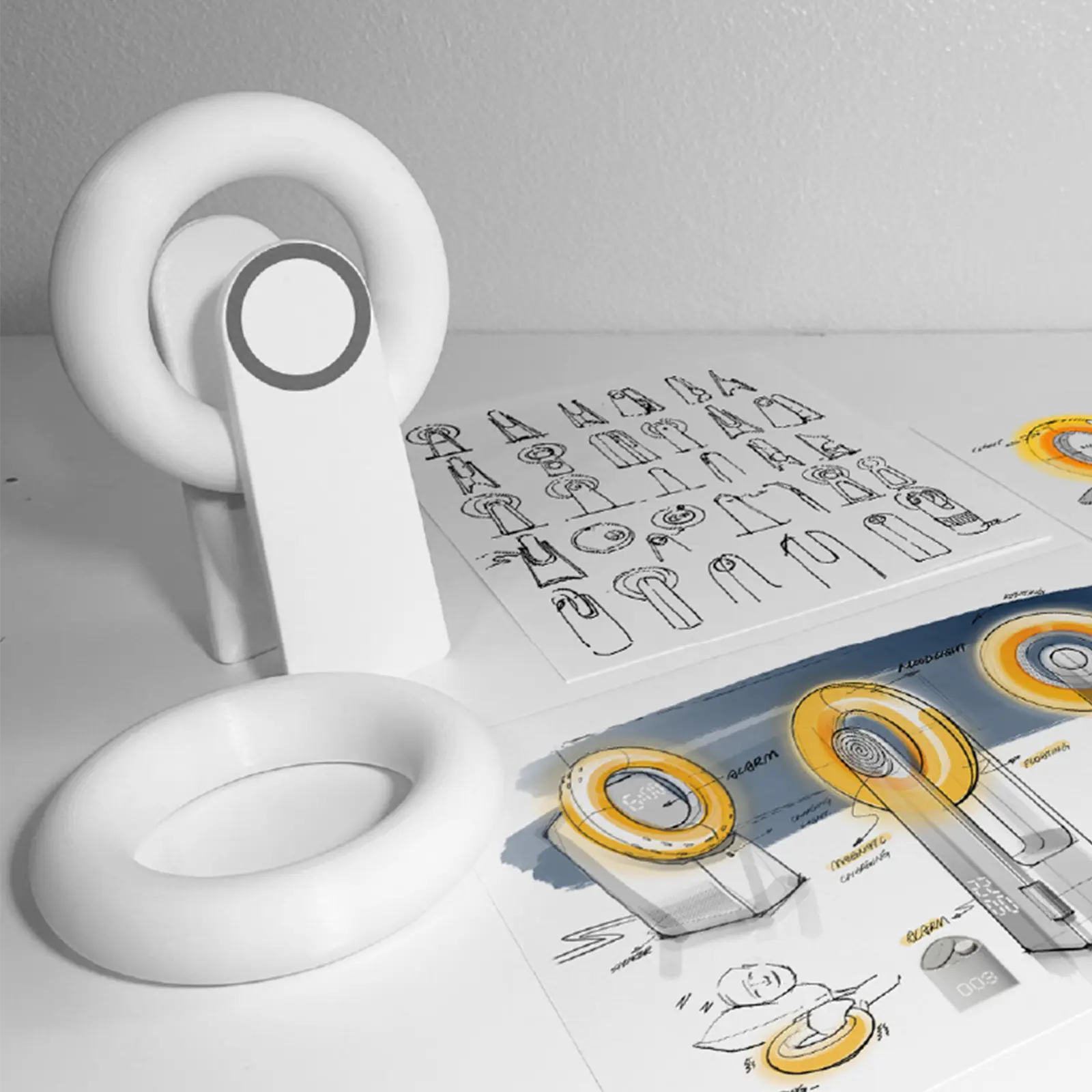
Engineering-grade prototype validation using 3D printing, CNC machining, sheet metal fabrication, and DFM review

Engineering-Grade Prototype Validation

Validate structure, fit, and function before committing to tooling or production. XFabro combines 3D printing, CNC machining, sheet metal fabrication, and vacuum casting with DFM review to uncover interference, deformation, strength, and manufacturability risks early—reducing redesigns and improving production readiness.

This service is ideal when you need to:

Validate critical dimensions, assembly clearances, and interference after completing a design.
Build a functional prototype for testing, design reviews, or customer presentations with a production-like finish.
Compare 3D printing, CNC machining, sheet metal, or vacuum casting before selecting a process.
Reduce change costs and delivery risk before tooling or volume production.
Get an Instant Quote View Our Capabilities
Files are stored securely with controlled access. NDAs are available to protect your drawings and intellectual property.

Standard Prototyping vs. Engineering-Grade Validation

A standard prototype can confirm appearance and basic form. Engineering-grade validation goes further by testing whether the design, assembly, and manufacturing approach are ready for production.

Standard Prototyping

Built quickly to review appearance or basic form, with limited assessment of manufacturing and production risks.

Focus = appearance + basic form
  • Confirms that a sample can be produced
  • Provides limited assessment of downstream manufacturing risks
  • May not produce findings that transfer directly to production

Engineering-Grade Validation

Uses process-appropriate prototypes and engineering review to validate structure, assembly, and the path to production.

Validates = structure + assembly + manufacturing path
  • Confirms that the design is practical to manufacture
  • Identifies structural, assembly, and interference risks early
  • Provides a clearer process and optimization path to production

The goal is to identify high-impact engineering risks while changes are still inexpensive, reducing redesign, tooling changes, and production defects.

Engineering-Grade Prototype Validation Capabilities

XFabro combines 3D printing, CNC machining, sheet metal fabrication, and vacuum casting with DFM review. The result is a practical validation plan that identifies structural, assembly, and manufacturing risks before they become expensive production changes.

  1. Structural Analysis and Risk Identification

    We review STEP, IGES, STL, and OBJ files for wall thickness, holes, radii, curved surfaces, thin walls, and cantilevers. High-risk areas such as deformation, difficult clamping, breakage, and support removal are identified before process selection and quoting.

  2. DFM Review Before Production

    Engineers assess datums and clamping, tool access, thin-wall deformation, hole machining, draft and parting, supports, and finishing. You receive actionable design recommendations and a risk list to reduce rework and tooling changes.

  3. Multi-Process Prototype Planning

    We compare 3D printing (SLA, SLS, MJF, FDM, and metal), CNC machining, sheet metal fabrication, and vacuum casting against your appearance, assembly, function, and strength goals. Recommendations include comparable cost and lead-time ranges.

  4. Assembly and Dimensional Verification

    For assemblies and functional parts, we confirm datums and critical dimensions and can provide inspection records or dimensional reports, including CMM and gauge measurements. The findings support later tolerance, fixture, and process decisions.

  5. Production-Representative Materials and Finishes

    Choose from engineering plastics, nylon, resin, and metal, with finishes such as painting, plating, screen printing, sandblasting, and anodizing. Matching material, process, and finish makes appearance, assembly, and functional testing more representative of production parts.

When to Use Prototype Validation

Use engineering-grade validation to confirm structure, assembly, interfaces, strength, and function before choosing a production path such as CNC machining, sheet metal fabrication, or injection molding.

Engineering design validation for structure, assembly, and interference checks

Engineering Design Validation

Confirm structure and assembly logic, identify interference or dimensional issues early, and reduce redesign and tooling changes.

Key checks:

Structural rationality and force paths
Assembly clearance and smoothness
Movement and spatial interference
Functional prototype testing for strength, movement, and interface performance

Functional Prototype Testing

Test strength, movement, and interface performance under representative use conditions.

Key checks:

Strength and rigidity performance
Functional movement and travel
Interface fit and interaction
Project presentation and internal review: appearance and assembly samples

Stakeholder Presentation and Design Review

Give customers, investors, and internal teams a clear physical reference for the product's appearance, structure, and assembly.

Key checks:

Appearance and consistency
Assembly integrity
Plan communication efficiency
Pre-mass production risk control: Determine whether to enter the mass production stage

Pre-Production Risk Validation

Confirm production feasibility and resolve major risks before CNC batches, tooling, or injection molding.

Key judgments:

Production feasibility
Tooling and process risks
Clear path to production

Prototype Validation Process

  1. Upload Drawings and Requirements

    • Upload 2D or 3D files in formats such as STEP, IGES, STL, DWG, and DXF
    • Share your validation goals and identify critical dimensions or requirements
    • Initial file analysis: 1–5 minutes
  2. Engineering Review and Process Recommendation

    • Identify risks such as thin walls, interference, tolerance chains, and process limits
    • Recommend a suitable combination of 3D printing, CNC, sheet metal, or vacuum casting
    • Preliminary plan for standard parts: 30–60 minutes
  3. DFM Review and Quote

    • Engineers review the design and provide actionable DFM recommendations
    • Receive process options, material recommendations, pricing, and lead-time ranges
    • Project review: feedback within 24 hours
  4. Prototype Production and Validation Support

    • Manufacture the prototype using the confirmed process plan
    • Support assembly checks, functional testing, and small-batch trials
    • Typical lead time: SLA 1–3 days / SLS & MJF 2–5 days / CNC 3–7 days (depending on structure)
  5. Delivery and Production Recommendations

    • Receive the prototype, available test records, and validation feedback
    • Get recommendations for CNC production, injection molding, or further process adjustment
    • Shipping: domestic delivery in 1–7 days; international timing varies by destination

From Prototype Validation to Production

Prototype validation should produce clear engineering decisions—not just a sample. Reusable findings make the next manufacturing step easier to select and reduce repeated evaluation.

Reusable Engineering Findings

Along with the prototype, available engineering outputs may include critical dimensions and datums, tolerance and clearance recommendations, risk items, material and finish guidance, and process limits. These findings can support the next production stage.

Reusable findings = defined requirements + traceable risks + practical next steps
  • Define critical dimensions, datums, and inspection methods
  • Document structural and assembly risks that need attention
  • Recommend the next manufacturing process

Typical Paths to Production

Once the design is stable, validation findings can carry forward into the most suitable manufacturing route and small-batch or production planning.

Path = prototype validation → process selection → small-batch validation → production
  • CNC machining: functional parts and small-batch validation
  • Sheet metal fabrication: equipment enclosures and structural parts
  • Injection molding: volume production after the design is stable

Reusable findings and a clear production path help resolve risks before CNC machining, sheet metal fabrication, or injection molding—reducing rework, tooling changes, and batch defects.

Ready to Validate Your Design?

All uploaded content is treated securely and confidentially.

FAQs