






Industrial-grade vacuum casting service for 10–200 polyurethane prototype and low-volume parts

Industrial-Grade Vacuum Casting Services

Produce 10–200 polyurethane parts from silicone molds without investing in production tooling. Vacuum casting is ideal for appearance models, functional testing, pilot runs, and market validation when you need injection-molded-like results quickly.

Ideal for:

Low-volume runs of 10–200 parts with shorter lead times
Injection-molded-like appearance for design and assembly validation
Clear, tough, or heat-resistant polyurethane material options
Get an Instant Quote View manufacturing capabilities
Uploaded files are encrypted and kept confidential. NDAs are available to protect your intellectual property.

Vacuum Casting Capabilities

From master pattern production and silicone mold making to resin casting and finishing, we support clear, tough, and heat-resistant polyurethane parts for prototypes, pilot runs, market testing, and low-volume replacement parts.

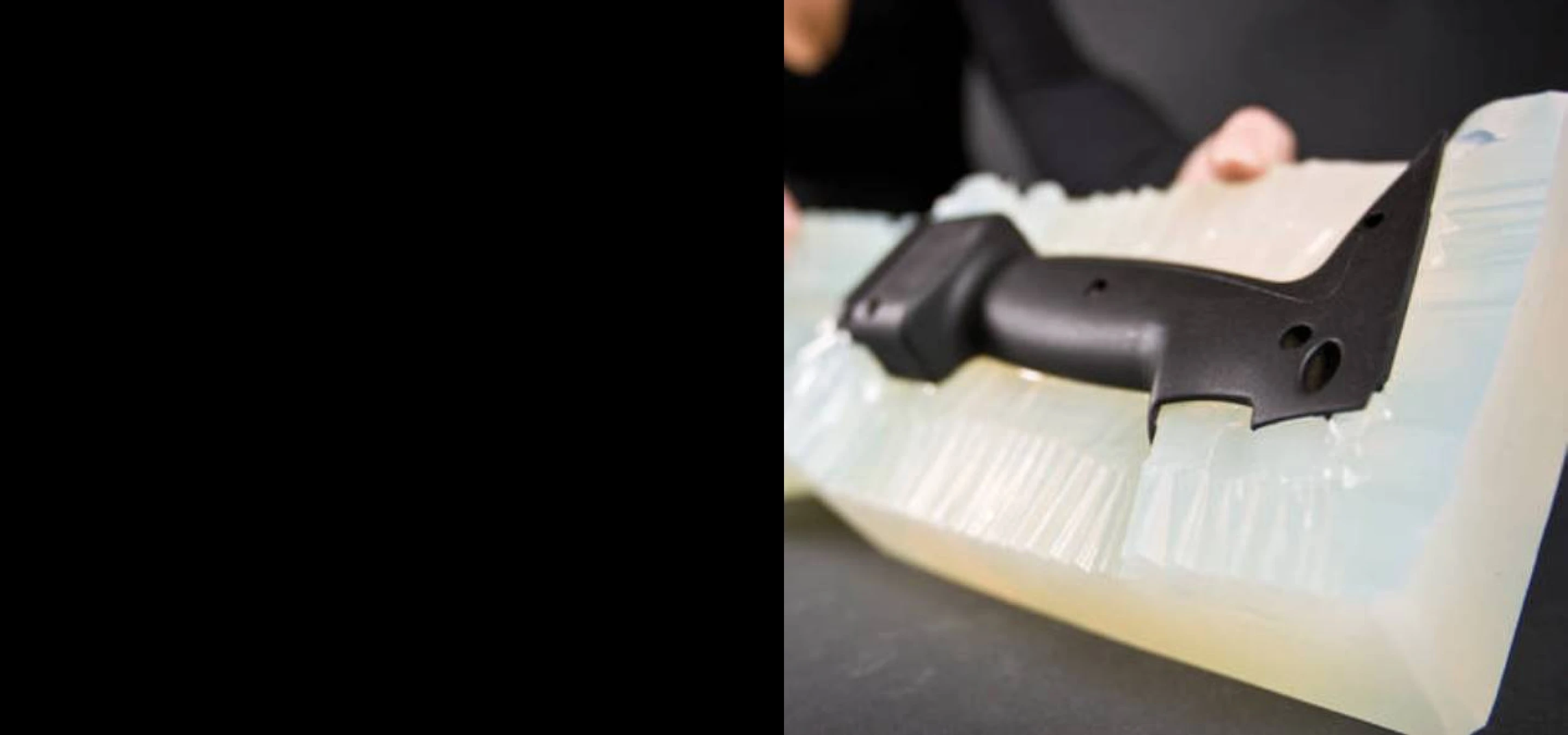
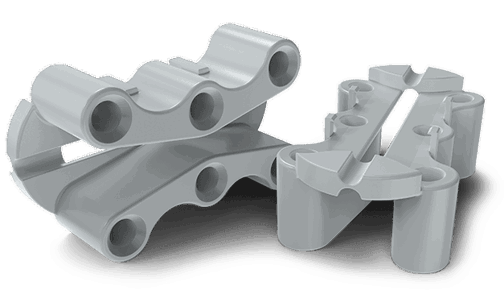
Vacuum casting master pattern produced by 3D printing or CNC machining for silicone mold making

Master Pattern

Features: Defines final surface quality and dimensional accuracy

Method: SLA 3D printing / CNC machining

Key consideration: Surface finish and parting strategy

Applicable scenarios:

Appearance models
Structural assembly verification
Low-volume production preparation
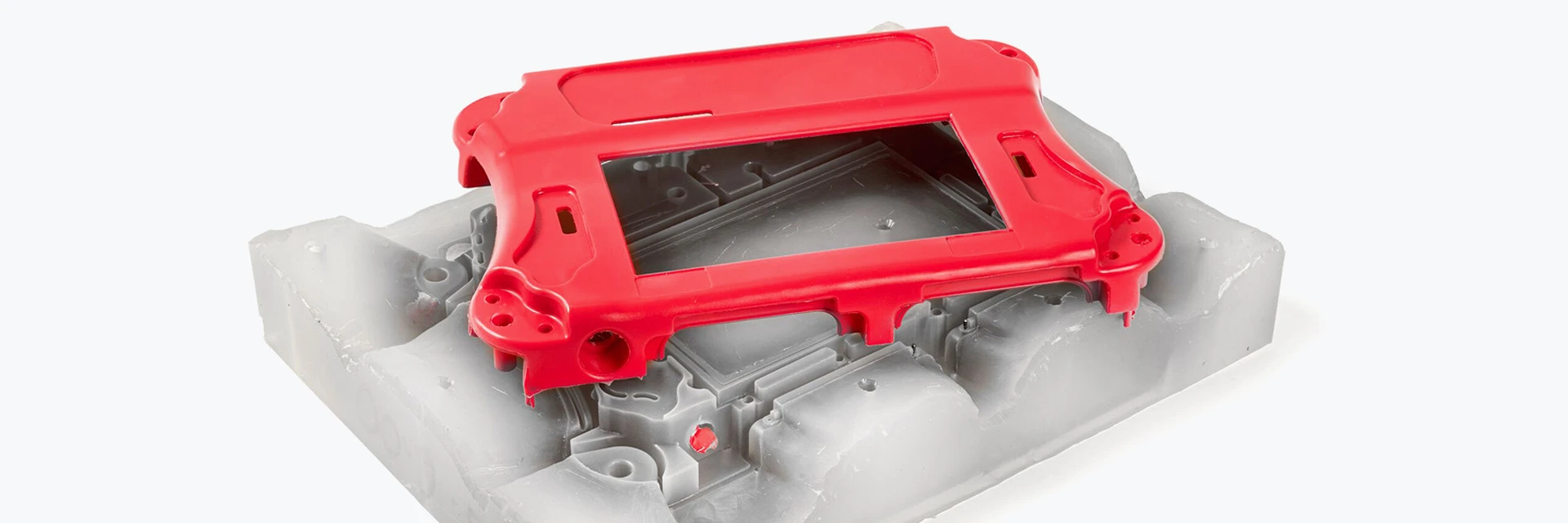
Silicone mold production and parting design, supporting complex structures and multi-cavity pouring

Silicone Mold Making

Features: Fast, lower-cost tooling for low-volume parts

Capabilities: Parting line, vent, and gate design

Key consideration: Mold life and batch consistency

Applicable scenarios:

Small batches of 10–200 pieces
Complex-shaped parts
Trial production and spare parts
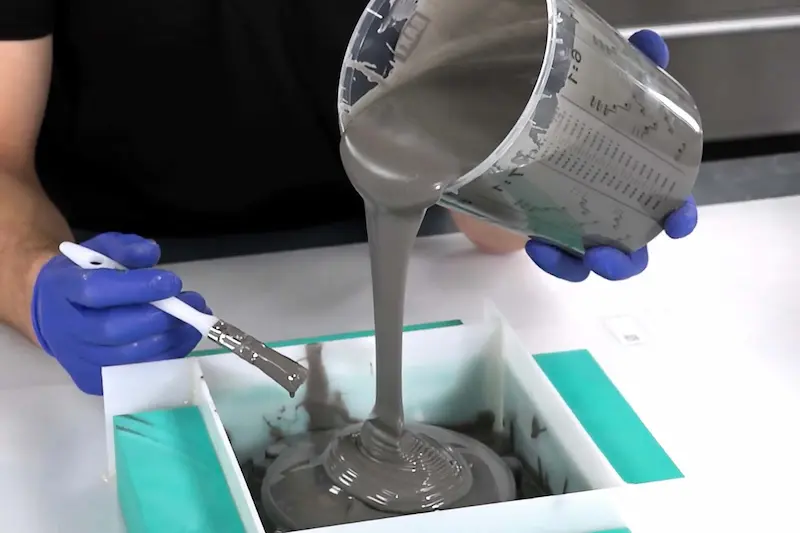
Polyurethane vacuum casting with clear, tough, and heat-resistant material options

Polyurethane Vacuum Casting

Features: Injection-molded-like parts without production tooling

Materials: Standard / Clear / Tough / Heat-Resistant

Key consideration: Bubble control, shrinkage, and consistency

Applicable scenarios:

Cosmetic parts
Functional validation parts
Assembly test

Vacuum Casting Materials

Choose polyurethane resins that simulate acrylic, polycarbonate, ABS, nylon, acetal, or polypropylene, plus silicone and rubber-like elastomers. Options vary in clarity, gloss, toughness, impact and heat resistance, wear, chemical resistance, and flexibility.

Our engineers match the resin and finishing process to your appearance, assembly load, operating environment, life target, and budget. Because cast resins do not fully reproduce the long-term properties of production thermoplastics, we also review high-stress features and material limits before production.

Acrylic (PMMA)
Polycarbonate (PC)
ABS
Nylon (PA)
Acetal (POM)
Polypropylene (PP)
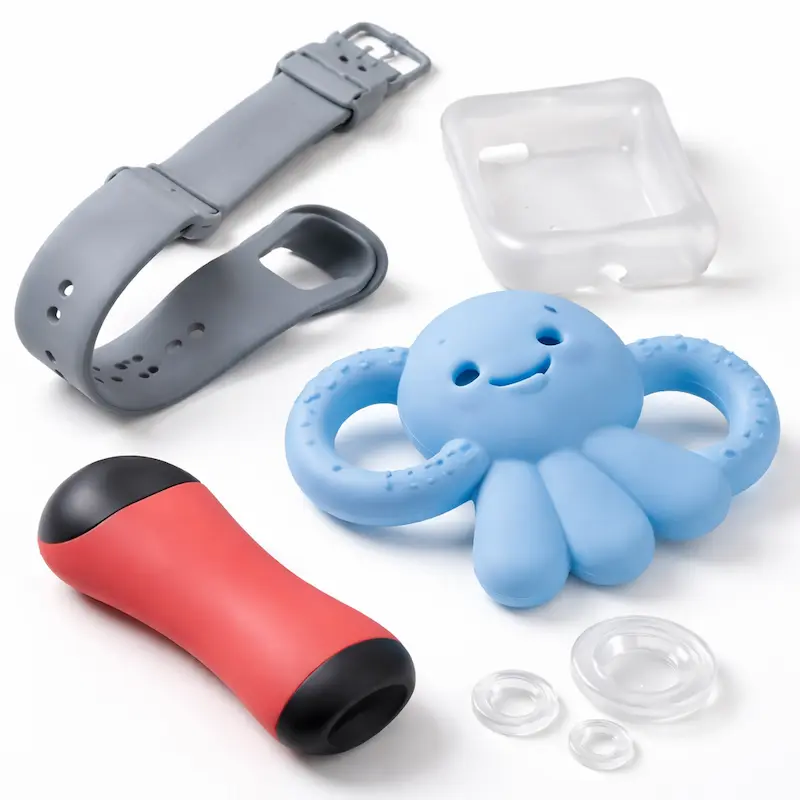
Silicone Rubber
Soft Rubber
Acrylic (PMMA)

Acrylic (PMMA)

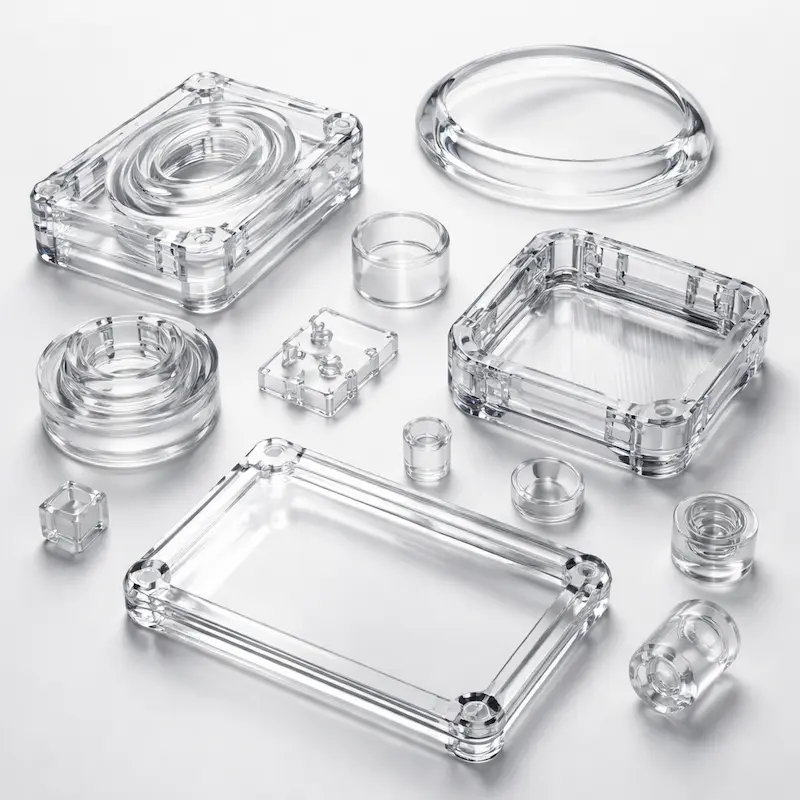
Acrylic-like polyurethane provides clear, high-gloss parts for visual and appearance evaluation.

Applications: Transparent windows, light guides, instrument panels, display models, and cosmetic prototypes.

View Material Detail Get an Instant Quote

Why Choose XFabro for Vacuum Casting

Engineering review, resin selection, silicone tooling, casting, and finishing support for 10–200 appearance or functional parts.

  1. Automated 2D/3D File Analysis

    We analyze STEP, IGES, STL, DWG, and DXF files to identify dimensions, thin walls, holes, and assembly features for master pattern planning, mold design, and quoting.

  2. Design for Manufacturability (DFM) Review

    Engineers review parting and demolding, gates, vents, thin walls, long flow paths, shrinkage, deformation, bubbles, and surface-defect risks before production.

  3. Material and Finishing Options

    Compare standard, tough, clear, and heat-resistant polyurethane options with suitable appearance grades, finishing combinations, lead times, and costs.

  4. Engineering and Appearance Quality Control

    Engineers review the master pattern and parting plan, then control casting parameters, bubbles, voids, surface defects, and batch consistency against project requirements.

  5. Injection-Molded-Like Appearance

    Silicone molds reproduce surface texture and structural details, while painting, sandblasting, screen printing, or dyeing prepares parts for review and low-volume use.

Vacuum Casting Service Process

  1. Upload Your Design

    • Supported files: STEP, IGES, STL, DWG, DXF, and PDF
    • Include color, texture, transparency, quantity, and intended use when available
    • Initial file analysis: 1–5 minutes after upload
  2. Engineering Review and Quote

    • Review parting, demolding, gates, vents, thin walls, and bubble risks
    • Recommend standard, tough, clear, or heat-resistant resin and finishing
    • Standard-part quotes: 30–120 minutes
  3. Master Pattern Production

    • Select SLA or CNC machining based on appearance and accuracy requirements
    • Polish or texture the master pattern when required
    • Typical time: 1–3 days, depending on size and complexity
  4. Silicone Mold Making and Casting

    • Produce the silicone mold, vacuum-degas the resin, and cast the parts
    • Support clear, tough, heat-resistant resins and positioned inserts
    • Typical time: 2–7 days, depending on quantity and finishing
  5. Finishing, Inspection, and Delivery

    • Trim, finish, inspect, and prepare parts for shipment
    • Available finishes include sandblasting, painting, screen printing, and dyeing
    • Shipping: Domestic 1–7 days; international timing depends on destination

Vacuum Casting Solutions by Industry

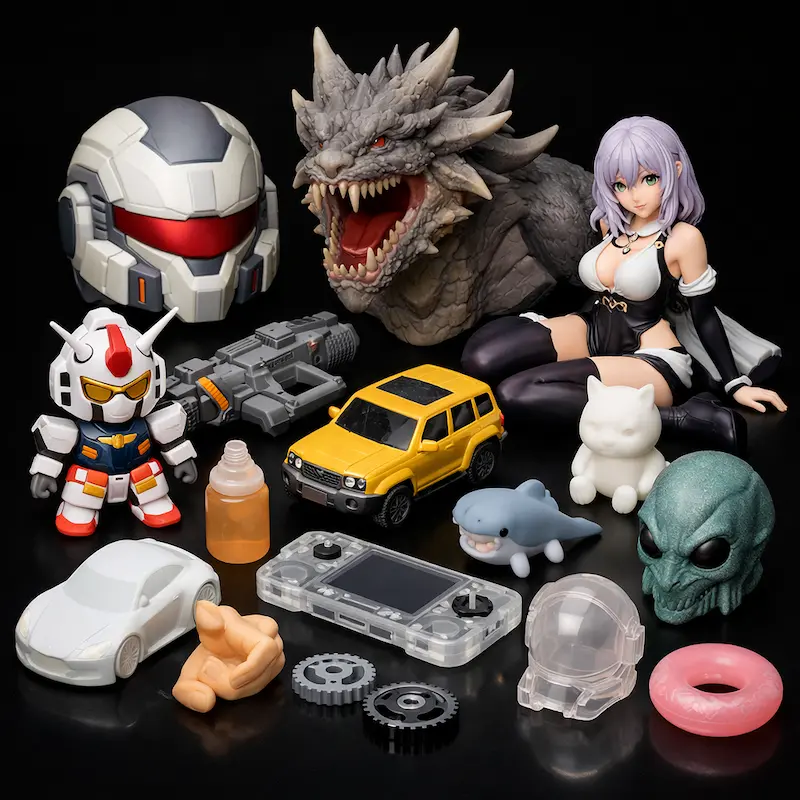
Use vacuum casting for appearance prototypes, exhibition samples, pilot runs, and market reviews when you need 10–200 parts with injection-molded-like surfaces.

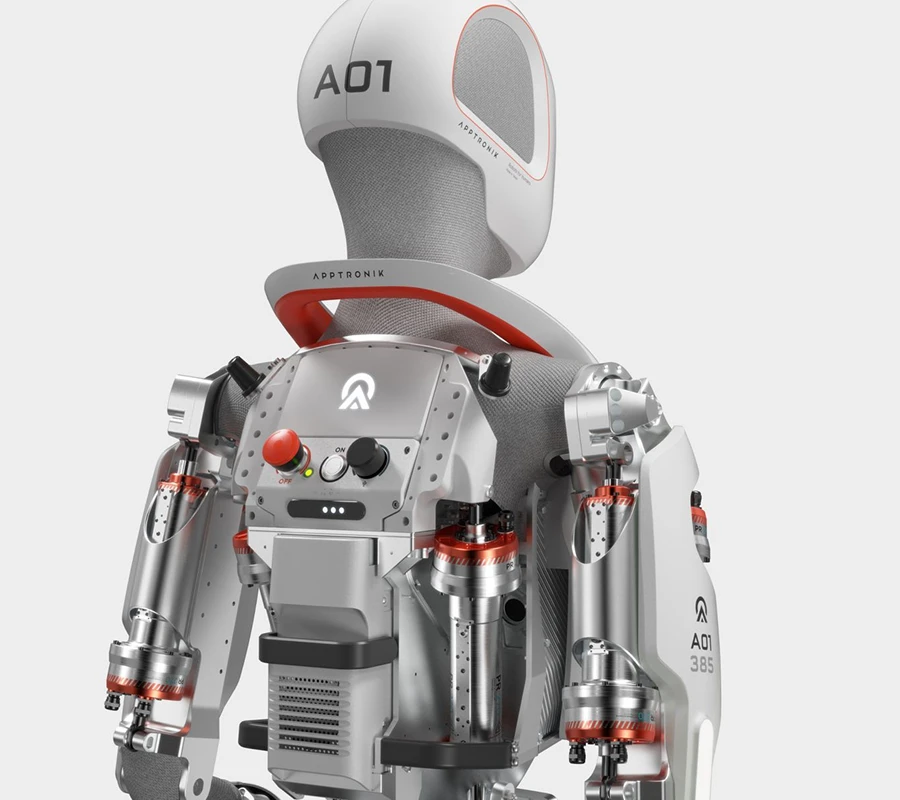
Clear, tough, heat-resistant, and insert-equipped options support consumer electronics, medical equipment, robotics, automotive interiors, and other low-volume applications.

  • Appearance prototypes and display samples
  • Small batch trial production of 10–200 pieces
  • Transparent and appearance-part validation
  • Assembly and snap structure testing
  • Spare parts duplication and small batch delivery
  • Medical and consumer-electronics housings

Vacuum Casting Application Examples

See how resin selection, master pattern quality, mold design, and finishing can support appearance, assembly, and functional validation in low-volume projects.

Consumer Electronics Appearance Parts (30 Pieces)

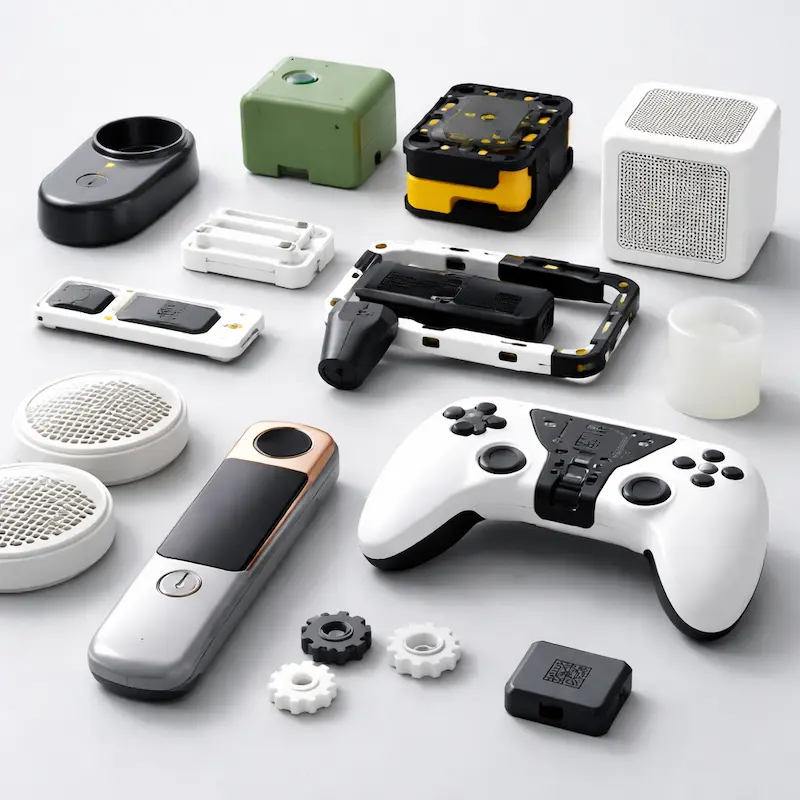
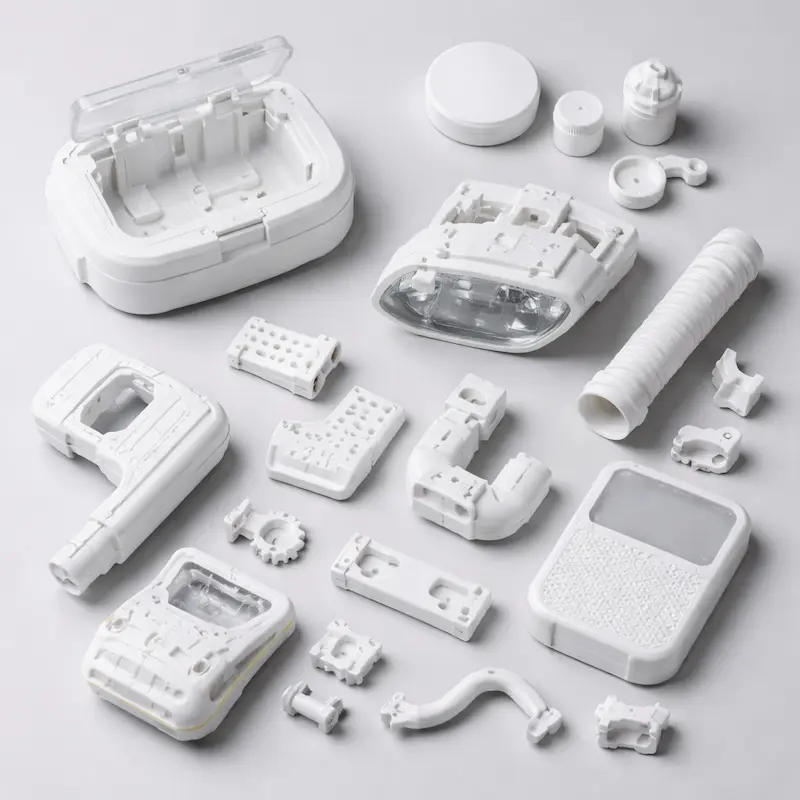
A refined master pattern, planned parting line, standard polyurethane, and painting can produce consistent housing samples for assembly and market review.

ABS-like vacuum-cast consumer electronics appearance parts

Transparent Part Validation

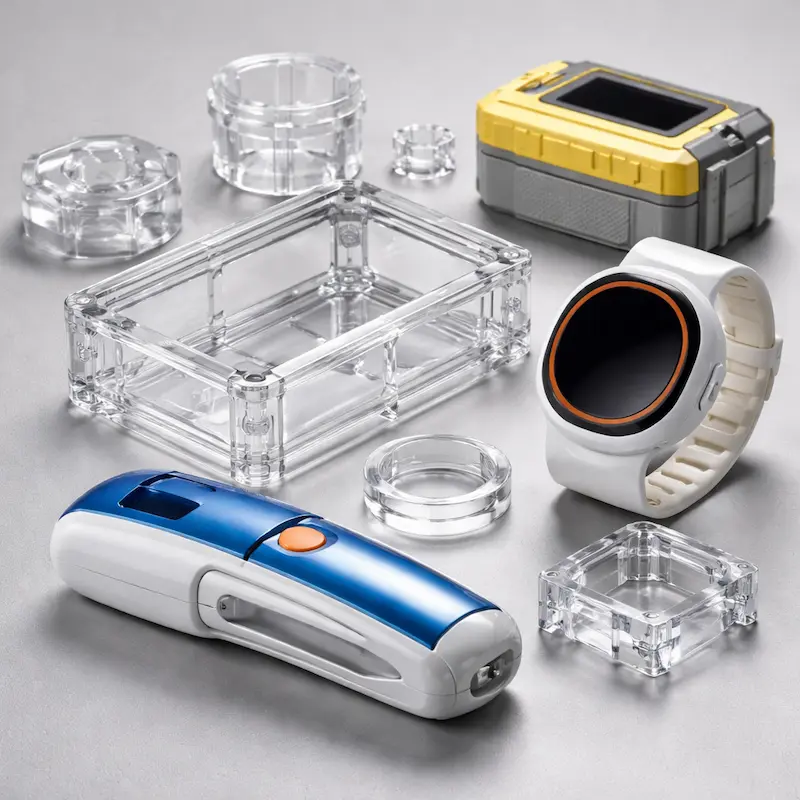
Clear polyurethane, polished critical surfaces, and bubble control help reveal internal structures and assembly relationships during visual validation.

Clear vacuum-cast parts for internal structure validation

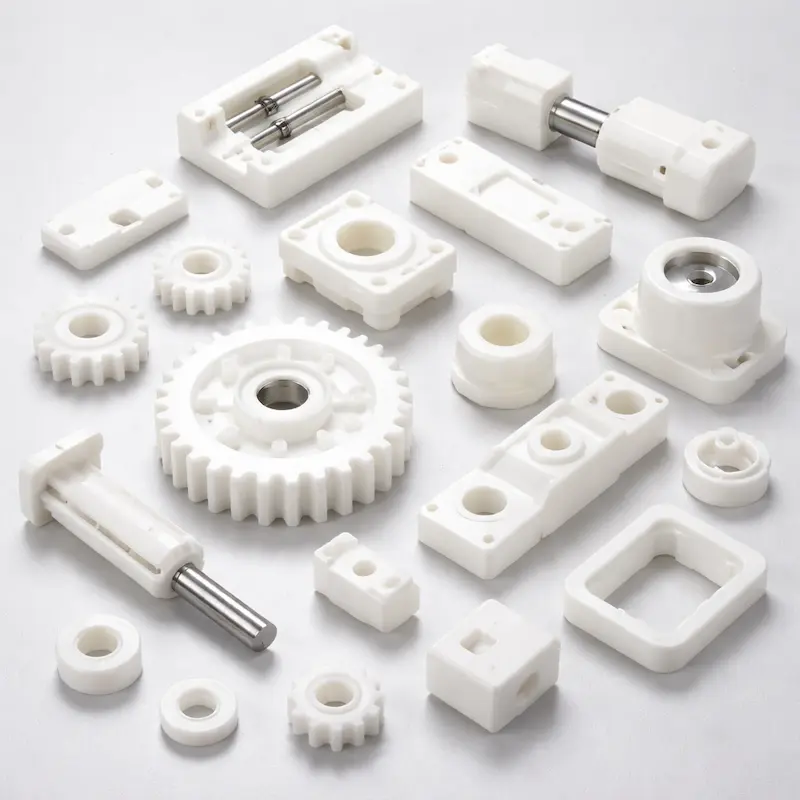
Inserted Nut Assemblies (50 Pieces)

Positioned nuts and controlled fixtures improve insert consistency, assembly strength, and repeatable disassembly during low-volume trials.

Vacuum-cast polyurethane parts with positioned inserts

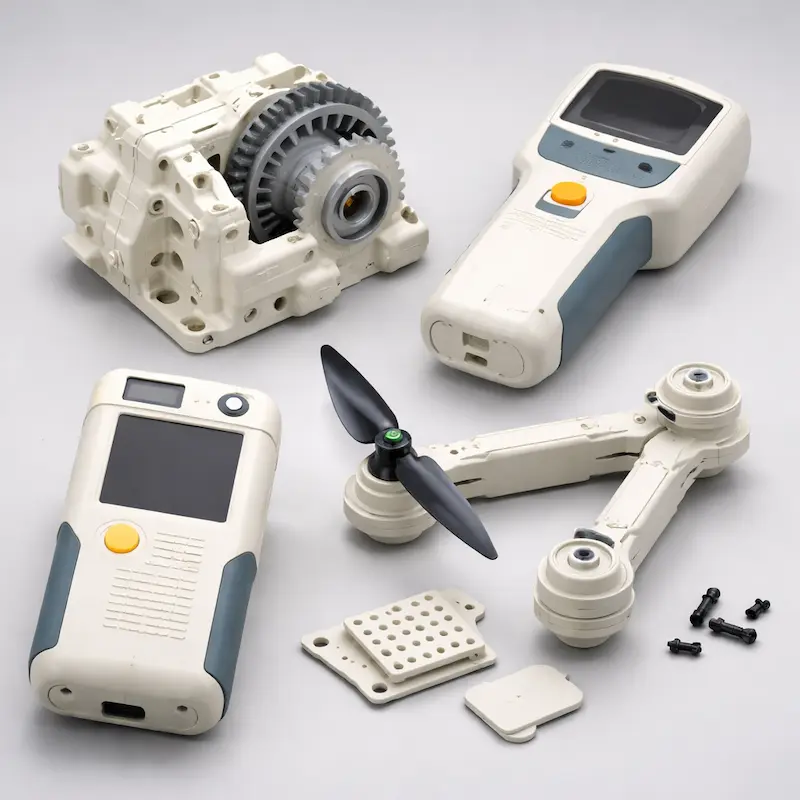
Tough Functional Parts (100 Pieces)

Tough polyurethane with optimized pouring and venting controls bubbles and shrinkage for assembly and durability testing.

Tough nylon-like vacuum-cast functional parts

Heat-Resistant Part Validation

Heat-resistant polyurethane and an application review balance dimensional stability and appearance for controlled temperature testing.

Heat-resistant polyurethane vacuum-cast validation parts
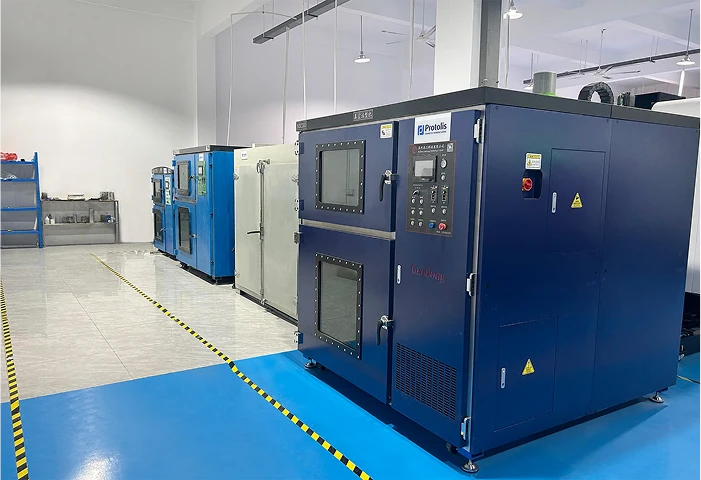
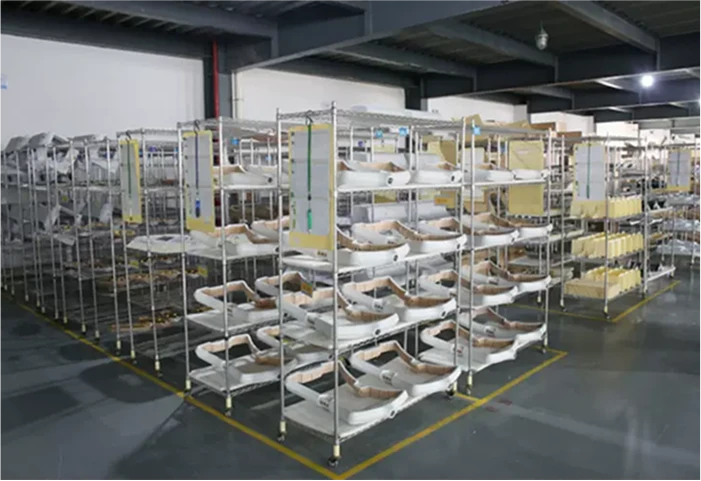
Vacuum casting workshop production area
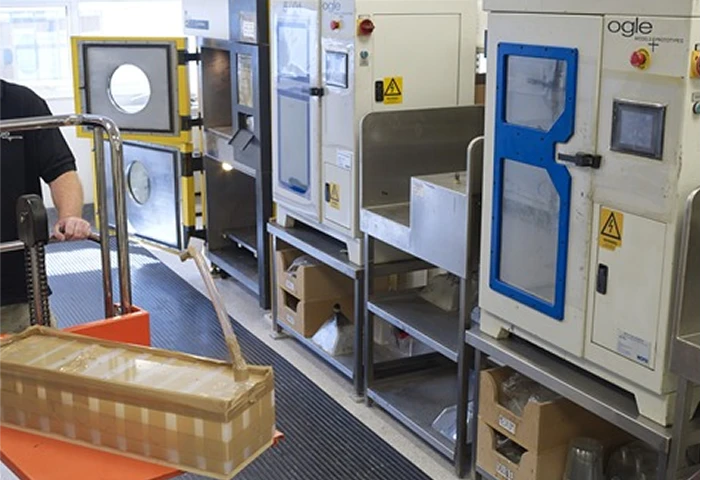
Silicone mold and vacuum casting equipment
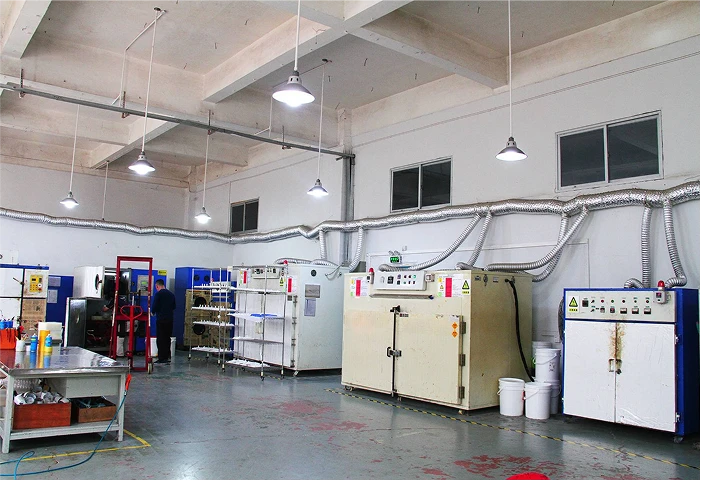
Vacuum casting workshop for polyurethane parts
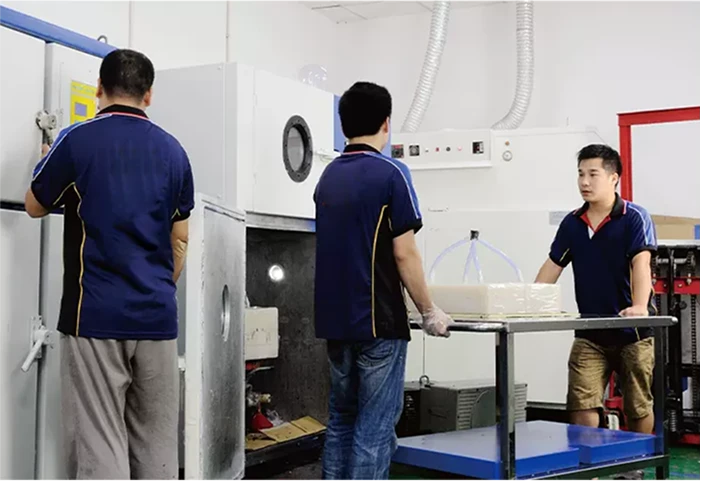
Low-volume vacuum casting production area
Vacuum casting finishing and inspection workspace

FAQs