Aerospace parts manufacturing for research, testing, ground-support equipment, and non-flight-critical applications

Aerospace Parts Manufacturing Services

Manufacture aerospace R&D, test, ground-support, and non-flight-critical parts from prototype validation through repeat delivery. XFabro combines design for manufacturability (DFM), multi-process manufacturing, inspection documentation, and revision control to support reliable, traceable builds.

Prioritize reliable, verifiable, and traceable manufacturing over speed alone.
Review failure risks, critical dimensions, clamping deformation, and thermal effects before production.
Balance weight, stiffness, strength, and thermal stability with practical manufacturing routes.
Support repeated design iterations with controlled drawings, verification feedback, and revision history.
Combine CNC machining, sheet metal, 3D printing, molding, and inspection records to match performance, schedule, and cost.
Get an Instant Quote Discuss Your Aerospace Project With an Engineer
Encrypted storage, controlled access, and optional non-disclosure agreements (NDAs) help protect your drawings and intellectual property.

Engineering Considerations for Aerospace Parts

Aerospace R&D, test, and ground-support parts must be evaluated against stated load, environment, material, and verification requirements. Weight, stiffness, thermal behavior, process consistency, inspection, and traceability all affect whether a build is suitable for its intended use.

Balance Strength, Stiffness, and Weight

Lightweight structures still need sufficient stiffness and controlled deformation for their defined loads and assembly conditions.

Typical considerations:

Thin walls, ribs, and lightweight structural features
Clamping and machining stresses that affect geometry

Account for Vibration and Temperature

Vibration, temperature variation, and operating duration can change dimensions, fits, fastener behavior, and assembly stability.

Typical considerations:

Connection stability under defined vibration conditions
Dimensional and fit changes across a stated temperature range

Control Material and Process Consistency

Material choice, lot information, heat treatment, machining, and finishing all influence repeatability between builds.

Typical considerations:

Material certificates and lot information when required
Heat-treatment and finishing effects on final properties

Plan Verification and Traceability

Agreed inspection points and manufacturing records provide evidence for critical dimensions, materials, processes, and design revisions.

Typical considerations:

Dimensional reports and coordinate measuring machine (CMM) data
Manufacturing records that support testing and verification

Aerospace Parts We Manufacture

XFabro manufactures structural, propulsion-test, avionics, payload, cabin, tooling, and ground-support components for prototype validation and repeat builds. These examples apply to R&D, testing, ground support, and other non-flight-critical uses unless project-specific qualification and acceptance requirements are separately confirmed.
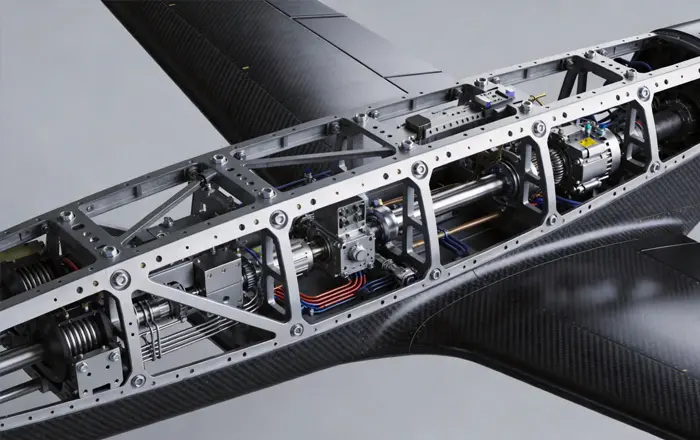
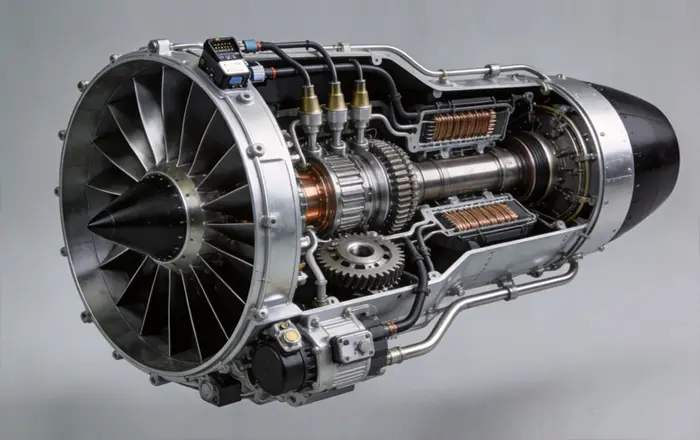
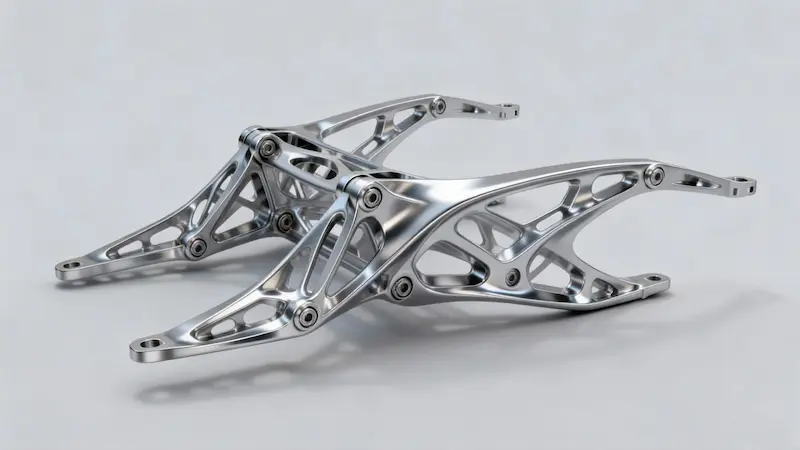
Manufacturing of aircraft structural parts and load-bearing parts: frames, floors, reinforcements, brackets and connectors

Aircraft Structural Prototypes and Test Components

Fuselage frames, partitions and reinforcements
Wing ribs, beam parts and connectors
Mounting brackets, angle brackets, and equipment mounts
Landing-gear-related prototype structures and connectors
Supports, connecting brackets, and reinforcement parts
Propulsion and power system parts manufacturing: injection parts, casings, manifolds and heat-resistant components

Propulsion and Power-System Test Hardware

Propulsion system structural parts and mounting bases
Nozzles, injectors and distribution parts
Disc-shaped components and housings
Combustion-chamber test structures and heat-resistant components
Exhaust system components and guides
Manifolds, distribution bars, and connecting flanges
End caps and housings
Ground test tooling and interface parts
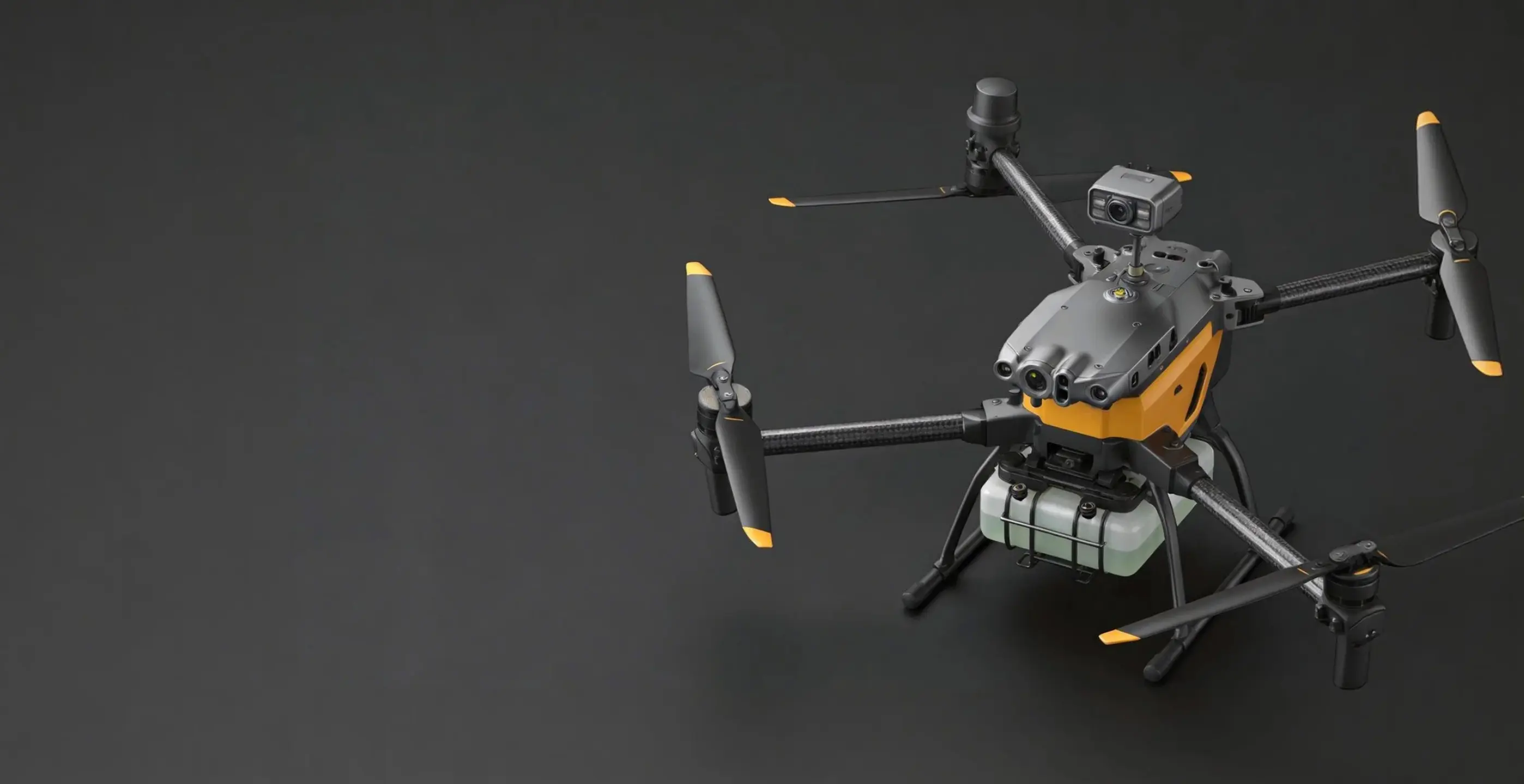
Avionics and UAV system parts manufacturing: airborne equipment casings, antenna brackets and load bay components

Avionics and UAV Payload Prototypes

Radomes and equipment enclosures
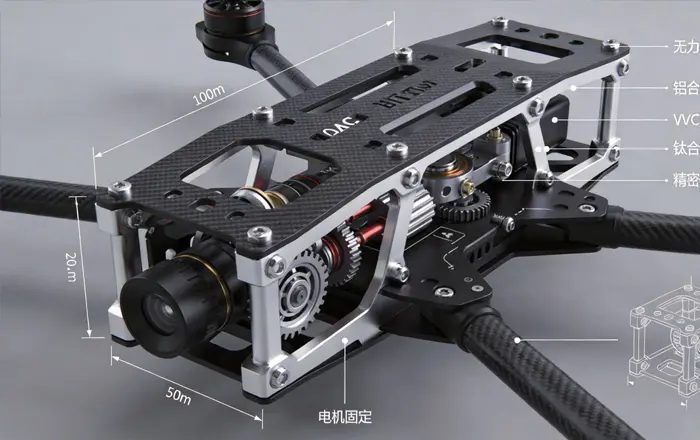
Unmanned aerial vehicle (UAV) frames, arms, and mounting plates
Sensor brackets and vibration-isolation structures
Antenna brackets and interface connectors
Payload-bay components and gimbal housings
Flight-control chassis and heat-dissipation structures
Control-surface prototype structures and components
Payload-bay bodies and assembly interfaces
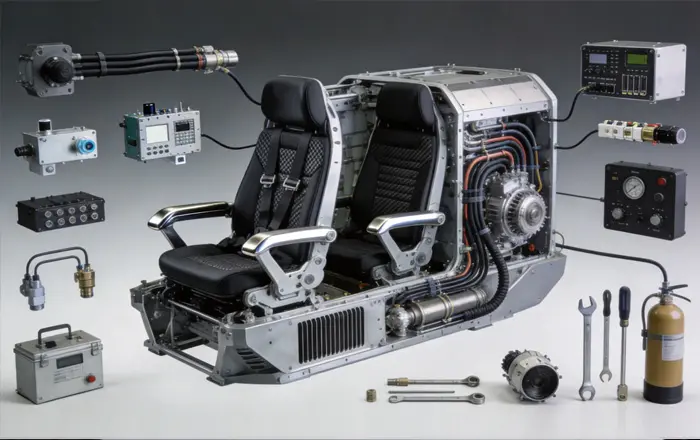
Manufacturing of cabin and ground equipment system parts: seat frames, mechanism brackets, panels and mounting parts

Cabin and Ground-Support Components

Seat frame and mechanism components
Luggage door mechanism and hinge linkage
Cabin lighting and control panel structural parts
Storage compartments and door structures
Oxygen system mounting hardware and brackets
Lavatory and galley equipment brackets
Equipment mounting brackets and guide rails
Touch-panel structures and decorative covers

Manufacturing Processes for Aerospace Parts

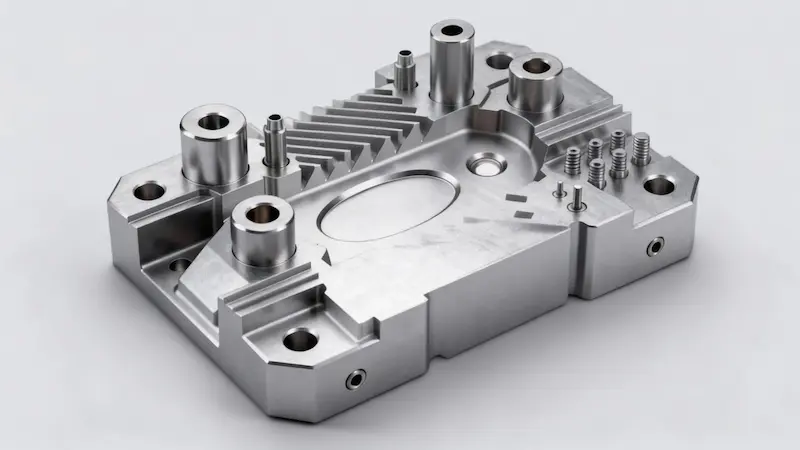
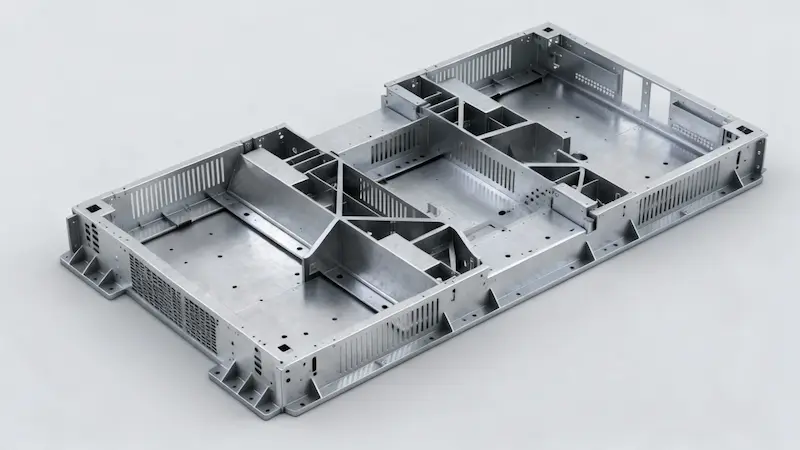
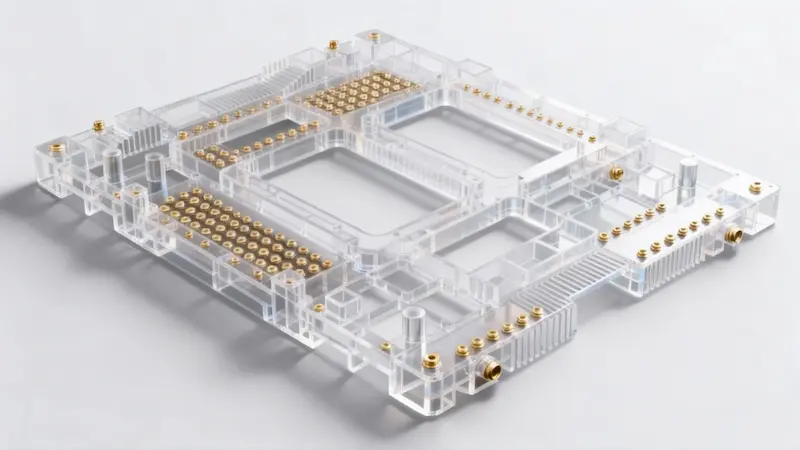
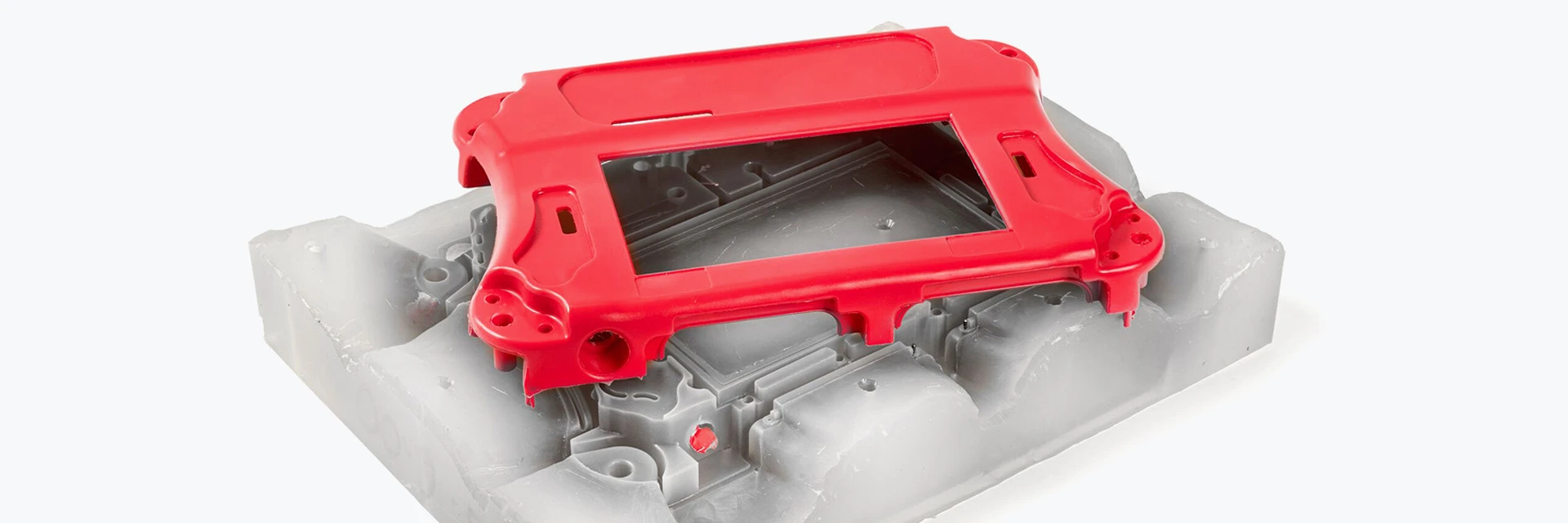
Select a manufacturing route based on geometry, material, required evidence, quantity, and intended use. XFabro supports 3D printing, CNC machining, sheet metal fabrication, injection molding, and vacuum casting for prototype, test, tooling, ground-support, and other confirmed non-flight-critical applications.

Engineering Challenges We Help Aerospace Teams Address

For R&D, testing, and non-flight-critical programs, a usable part must satisfy documented requirements and be repeatable—not merely manufactured to shape. We focus on structural assumptions, material and process risks, repeatability, change control, and cost.
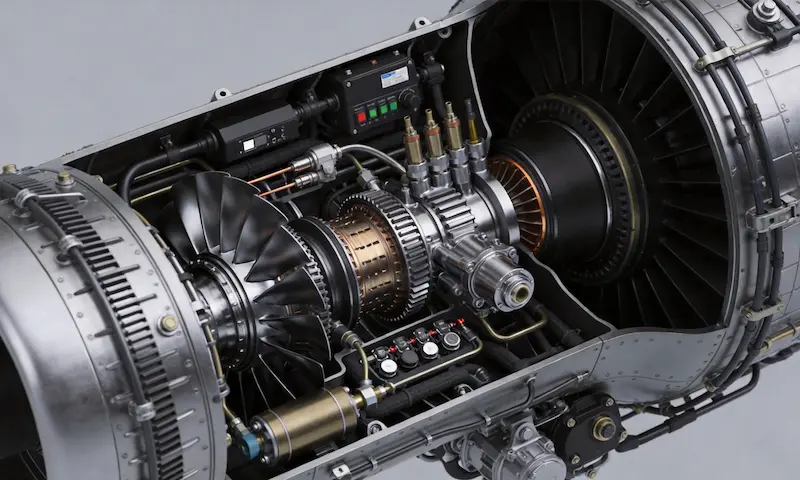
Problems we focus on solving for aerospace customers: structural reliability, failure risk assessment, repetitive manufacturing capabilities, engineering change management and cost control

Will the Structure Meet Its Defined Load Assumptions?

We review load paths, thin-walled areas, and critical interfaces to identify deformation, loosening, and fatigue risks under the customer's stated conditions.

How Can Material and Process Risks Be Reduced?

We review material behavior, heat treatment, machining, and finishing for cracking, residual stress, distortion, and property variation before the route is confirmed.

Can the Part Be Manufactured Repeatably?

Critical dimensions, tolerance strategies, inspection points, and process routes are documented from the prototype stage to support consistent repeat builds.

How Are Engineering Changes Controlled?

Drawing revisions, critical dimensions, inspection requirements, and manufacturing records are tracked so each physical build can be related to the correct design state.

How Can Cost Be Managed Without Weakening Requirements?

Materials and processes are selected around the stated validation and reliability needs, avoiding unnecessary complexity while preserving agreed requirements and evidence.

Aerospace Parts Manufacturing Process

  1. Share Drawings and Application Requirements

    • Upload STEP, IGES, STL, or other supported engineering files.
    • Identify critical dimensions, datums, load and environment assumptions, and inspection needs.
    • Typical response: Automated file analysis takes 1–5 minutes.
  2. Review Manufacturability and Receive a Quote

    • We assess structure, materials, process risks, quantity, and required documentation.
    • Confirm the proposed manufacturing route and deliverables.
    • Typical response: A preliminary quote within 30 minutes when the request fits the standard quoting workflow.
  3. Confirm Engineering Recommendations

    • An engineer reviews structural and process risks.
    • Receive practical manufacturability recommendations for confirmation.
    • Typical response: Engineering feedback within 24 hours.
  4. Manufacturing and Process Control

    • Use the confirmed process route and revision-controlled files.
    • Apply agreed in-process and final quality controls.
    • Timing: Lead time depends on process, finishing, inspection, documentation, and quantity.
  5. Inspection, Documentation, and Delivery

    • Receive agreed dimensional reports, material certificates, and process records.
    • Complete project-appropriate packaging and logistics.
    • Typical domestic transit: 1–7 days.

FAQs